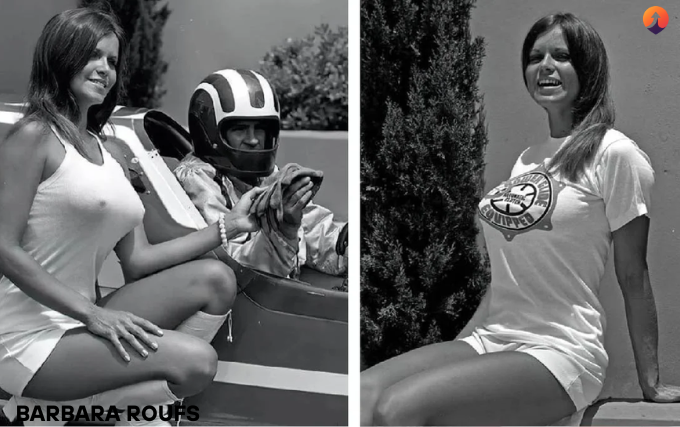
Barbara Roufs remains one of the most unforgettable figures in the history of American drag racing. Her radiant personality, captivating beauty, and undeniable charm made her a fan favorite during the early 1970s—a golden age for motorsports in the United States. Known as a “trophy girl,” Barbara’s role went far beyond presenting awards; she embodied the excitement and glamour that defined the racing culture of her era. Although her life was tragically cut short, her influence continues to resonate with motorsport enthusiasts and cultural historians alike.
This article delves into Barbara Roufs’ life, her career in the drag racing scene, and the lasting impact she left on both the sport and pop culture.
Early Life and Background
Barbara Roufs was born in the early 1940s in California, a time when American car culture was rapidly evolving. Growing up during an era obsessed with automobiles, engines, and speed, she developed an appreciation for the adrenaline-filled world of racing. California, being the birthplace of hot rods and drag strips, provided the perfect backdrop for Barbara’s eventual introduction to motorsports.
While little is known about her early years, those who knew her described Barbara as cheerful, outgoing, and full of life. Her natural charisma and striking appearance would later make her a standout presence in drag racing events across the state.
Rise to Fame in the Drag Racing Scene
Barbara Roufs rose to prominence in the late 1960s and early 1970s, a period often considered the golden age of American drag racing. The sport was transitioning from underground gatherings into organized, nationally recognized events. Tracks like Orange County International Raceway and Bakersfield’s Famoso Raceway were buzzing with spectators eager to witness powerful engines and daring drivers.
Amid this electrifying environment, Barbara quickly became known as one of the most admired “trophy girls.” These women were not merely ceremonial figures—they played an essential role in promoting events, engaging with fans, and bringing a touch of glamour to the gritty world of high-speed competition. Barbara’s signature long hair, radiant smile, and confident demeanor made her instantly recognizable to fans and photographers alike.
Her work as a trophy girl wasn’t just about presenting awards; she became an ambassador for the sport, embodying the excitement and freedom of the drag racing culture.
The Role of a Trophy Girl in the 1970s
In the 1970s, drag racing was more than a competition—it was a cultural movement. The cars were loud, the fashion was bold, and the atmosphere was electric. Trophy girls like Barbara Roufs became central figures in this scene, symbolizing the glamour and enthusiasm of the era.
They stood alongside legendary racers, handed out trophies to winners, and appeared in promotional photos and magazines that celebrated the growing popularity of drag racing. Barbara, in particular, was known for her authentic enthusiasm and ability to connect with both drivers and spectators.
Unlike many models of her time, Barbara brought a genuine love for the sport. She enjoyed the thrill of the races, the camaraderie among participants, and the unique energy that surrounded each event. Her natural confidence and elegance made her one of the most photographed figures at the racetrack.
Barbara Roufs’ Cultural Impact
Barbara Roufs was more than a beautiful face—she was a symbol of an era that celebrated individuality, style, and freedom. Her image became iconic in racing magazines, posters, and advertisements. She represented the intersection of American motorsport and pop culture, a reflection of the spirit of the 1970s when self-expression and rebellion were celebrated.
Her photographs captured the essence of the drag racing lifestyle: sun-soaked racetracks, roaring engines, and the infectious joy of competition. Many fans and photographers have since described her as a muse who perfectly encapsulated the optimism and vibrancy of the time.
Decades later, these images continue to circulate online, sparking nostalgia among fans of vintage motorsports. Barbara’s look—long flowing hair, retro sunglasses, and flared outfits—has even influenced modern fashion trends inspired by the 1970s aesthetic.
Tragic Death and Legacy
Barbara Roufs’ life took a tragic turn in the early 1990s when she passed away at the age of 47. Reports suggest she died by suicide, leaving behind friends, family, and fans shocked and heartbroken. Her death marked the end of a vibrant life that had once symbolized joy and excitement.
Despite her untimely passing, Barbara’s legacy continues to live on. In 2016, rare photographs of her resurfaced online, shared by her daughter and photographer Tom West, reigniting public interest in her story. These images reminded fans of the woman who once stood at the heart of drag racing’s most dynamic decade.
Barbara’s life serves as both a tribute to the golden era of drag racing and a reminder of the personal struggles that can remain unseen behind public success. Her memory continues to inspire motorsport enthusiasts who remember her as the face of an unforgettable era.
Why Barbara Roufs Remains an Icon
Several factors contribute to Barbara Roufs’ lasting legacy. Her influence transcends the racetrack; she remains a symbol of confidence, authenticity, and the unique spirit of the 1970s.
- Cultural Representation: Barbara’s image perfectly captured the aesthetics of her time—freedom, fun, and the thrill of living in the fast lane.
- Motorsport History: She represents an important part of drag racing history, highlighting the contributions of women who brought visibility and excitement to the sport.
- Enduring Popularity: Even decades after her passing, Barbara’s photos continue to circulate in vintage car forums and social media, where fans celebrate her charm and grace.
- Human Story: Her life story reminds us that behind the glamour often lies a deeper, more complex human experience—one that still resonates with audiences today.
Barbara Roufs’ name is now synonymous with the golden age of American drag racing. For many, she remains the ultimate “trophy girl,” not because of the role’s title but because of the authenticity and energy she brought to it.
Remembering the Golden Age of Drag Racing
The 1970s were a defining period for drag racing in America. It was a time when the sport evolved into a mainstream spectacle, drawing massive crowds and media attention. People like Barbara Roufs played a crucial part in this transformation.
The fashion, music, and culture of that decade merged seamlessly with the world of racing, creating an atmosphere that was as much about lifestyle as it was about speed. Barbara’s presence symbolized the excitement that surrounded the sport—a reminder that drag racing was more than competition; it was a celebration of creativity, individuality, and community.
Her contribution, though not measured in trophies or lap times, helped shape the visual and emotional identity of the sport.
Conclusion
Barbara Roufs was more than just a trophy girl—she was an icon who defined an era of drag racing and left a mark on American motorsport history. Her beauty, energy, and charm made her a beloved figure among fans, and her memory continues to evoke admiration and nostalgia.
Though her life ended far too soon, Barbara’s legacy lives on through the photographs, memories, and stories that celebrate her spirit. She remains a timeless reminder of an era when drag racing was young, wild, and full of heart—an era that Barbara Roufs helped make unforgettable.