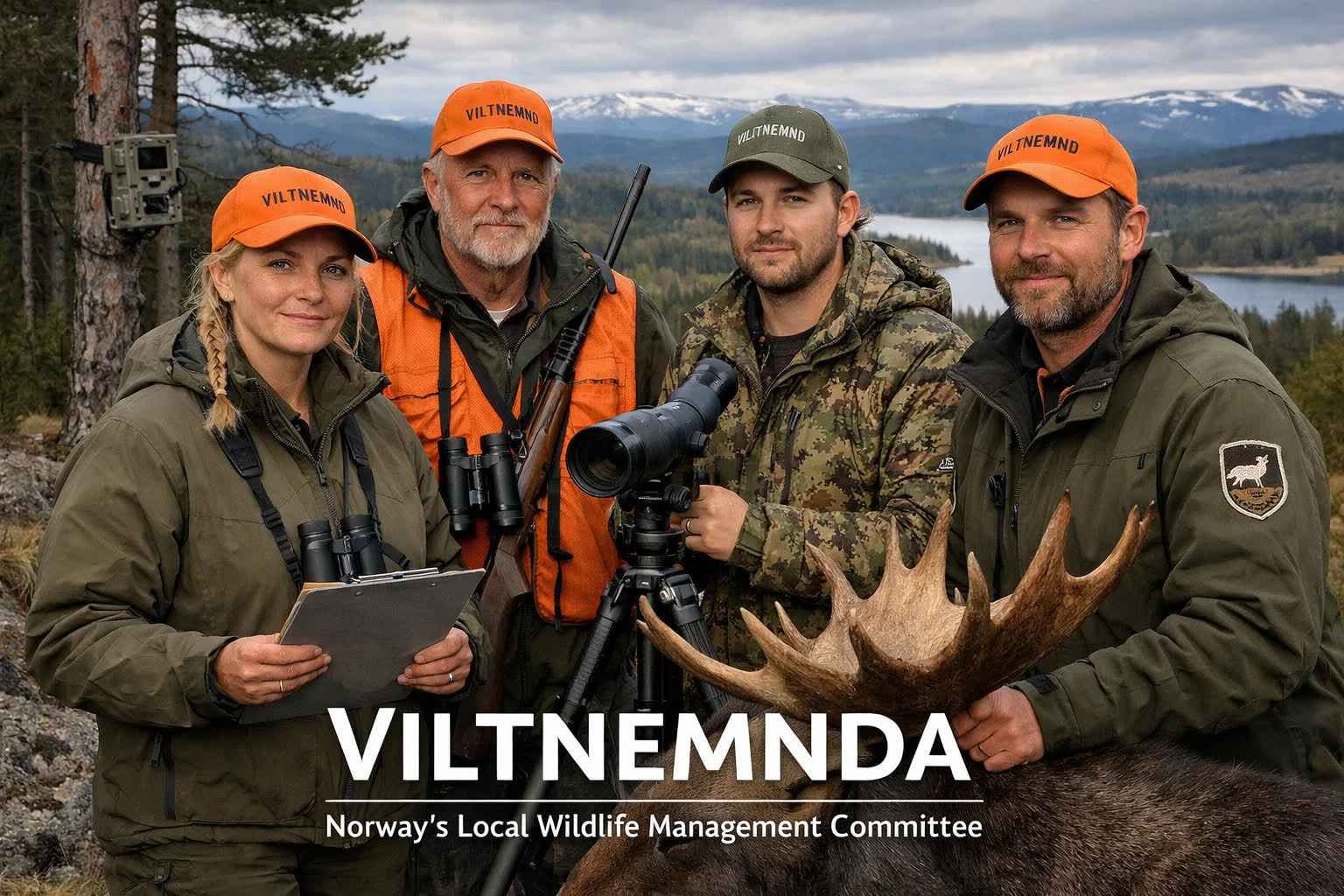
Norway’s natural landscapes are home to diverse and rich wildlife populations. To ensure sustainable management of these species and the safe coexistence of humans and animals, the country has developed a framework known as Viltnemnda, or Wildlife Committees. These committees play a key role in wildlife management, ensuring that populations of wild animals, such as moose, deer, and birds, are regulated, protected, and coexisted with human communities in a way that promotes ecological balance.
The Viltnemnda structure, which is a decentralised system involving local municipalities, allows for the close monitoring and management of wildlife within each region. The committees function under specific legal frameworks and have a set of responsibilities that include wildlife conservation, damage mitigation, public safety, and hunting regulations. This article explores the functions, legal grounding, challenges, and the importance of Viltnemnda in Norway’s environmental governance.
Historical Context of Viltnemnda
The concept of organized wildlife management in Norway is not new, though the formal establishment of Viltnemnda committees can be traced to the 1990s. Historically, wildlife management was mostly controlled by central government authorities, and hunting practices were regulated by national rules. However, as environmental concerns grew, it became evident that local knowledge of animal movements, habitats, and human-wildlife interactions was vital to creating effective solutions. Consequently, the Norwegian government moved to decentralize certain responsibilities to municipalities, allowing for local committees to oversee wildlife management in ways that better suited regional needs.
Viltnemnda committees are grounded in the belief that local governance can be more adaptive and responsive to specific environmental and societal contexts. Over the years, their role has evolved, expanding to include broader ecological concerns, such as habitat protection and conservation of endangered species.
Legal Framework: The Foundation of Viltnemnda
Viltnemnda operates within the boundaries of Norwegian environmental law, and its role is officially recognized by a number of key regulations and acts:
1. The Wildlife Act (Viltloven)
The primary piece of legislation governing wildlife management in Norway is the Wildlife Act (Viltloven). This law regulates hunting, defines protected species, and sets forth the rules for sustainable wildlife use. The act allows for the establishment of local wildlife committees, like Viltnemnda, to implement its directives at the municipal level. Among its key provisions are the creation of hunting quotas, the regulation of animal populations, and the management of human-wildlife conflicts.
Under this law, Viltnemnda committees are empowered to oversee hunting practices, including deciding on the number of animals that can be hunted in a given year, thereby ensuring that animal populations remain at sustainable levels. The law also stipulates how to handle cases of wildlife damage, such as when animals destroy crops or infrastructure.
2. The Nature Diversity Act (Naturmangfoldloven)
The Nature Diversity Act is another critical piece of legislation that shapes the work of Viltnemnda. It is designed to ensure the conservation of biodiversity and to protect Norway’s natural heritage. The Act enshrines the precautionary principle, requiring that decisions made by wildlife committees be based on scientific evidence and an understanding of the long-term ecological impacts of human activity.
Viltnemnda committees operate within the framework provided by this act to make decisions that not only ensure the sustainability of wildlife populations but also protect habitats and the biodiversity of local ecosystems. For example, the committees are responsible for monitoring species that may be at risk of extinction and implementing measures to protect them.
Key Responsibilities of Viltnemnda
Viltnemnda is tasked with several core responsibilities, all aimed at ensuring the safe, sustainable, and ethical management of wildlife in Norway. These duties are carried out by local committees, which consist of appointed members, including municipal representatives, environmental experts, hunters, farmers, and local citizens. Below are the key areas of responsibility for Viltnemnda:
1. Wildlife Population Management
One of the most important duties of Viltnemnda is to monitor and manage wildlife populations. This includes overseeing hunting activities, regulating hunting quotas, and ensuring that animal populations remain at sustainable levels. The committee’s tasks include:
-
Setting Hunting Quotas: Viltnemnda determines the number of animals that can be legally hunted in a given period. Quotas are based on population surveys, ecological data, and the health of the species. The goal is to ensure that the wildlife population does not become too large, which could lead to overgrazing, environmental damage, or human-wildlife conflict.
-
Monitoring Animal Populations: Viltnemnda keeps track of various species, particularly those that are common game animals, such as moose, deer, and birds. Regular population monitoring helps the committee assess the health of the species and determine whether any interventions are necessary to maintain ecological balance.
2. Wildlife Damage Control
Human-wildlife conflicts are a significant concern in rural and suburban areas. When wild animals cause damage to crops, roads, fences, or even vehicles, Viltnemnda steps in to mediate and provide solutions. The committee’s damage control responsibilities include:
-
Assessing Wildlife Damage: When farmers or landowners report damage, Viltnemnda evaluates the situation and determines the extent of the harm caused by the animals. This could include damage to agricultural crops, infrastructure, or other private property.
-
Damage Mitigation: Once the damage is assessed, the committee works with local stakeholders to find solutions. This could involve compensating affected parties, introducing preventive measures like fencing, or, in extreme cases, allowing for controlled culling to reduce the local wildlife population.
-
Hunting Regulations for Damage Control: In some instances, Viltnemnda may authorize additional hunting licenses or change hunting quotas to address damage from specific wildlife populations. This targeted approach helps reduce conflicts between humans and animals while ensuring that population management goals are met.
3. Public Safety and Emergency Response
Wildlife-related incidents can pose significant safety risks, particularly in rural areas where animals may wander onto roads or into populated areas. Viltnemnda plays a key role in responding to these emergencies:
-
Wildlife-Related Road Accidents: Wildlife-vehicle collisions are a serious problem in Norway, especially with large animals like moose. Viltnemnda coordinates efforts to prevent these accidents by creating wildlife crossings, implementing signage, and advising on road design. They also manage responses when accidents do occur, ensuring that injured animals are handled humanely.
-
Emergency Wildlife Response: When wild animals enter urban areas, become sick or injured, or pose a threat to human safety, Viltnemnda coordinates with police, animal welfare organizations, and other local authorities to ensure a safe and humane response.
4. Conservation of Species and Habitats
In addition to managing hunting and damage control, Viltnemnda is responsible for conserving wildlife and habitats. The committee works to ensure the protection of endangered species and vital ecosystems. This includes:
-
Species Protection: Viltnemnda monitors populations of endangered species and enforces protections for these animals. For example, certain species of birds, mammals, or amphibians may be designated as protected under Norwegian law, and the committee is responsible for enforcing these protections.
-
Habitat Preservation: Viltnemnda may also work to preserve natural habitats that are critical for wildlife, such as wetlands, forests, and grasslands. They may collaborate with environmental agencies and landowners to ensure that land use does not negatively impact these ecosystems.
5. Public Education and Engagement
Viltnemnda plays a vital role in raising awareness about wildlife conservation and promoting responsible hunting practices. The committee works to educate the public about wildlife issues, safety concerns, and the importance of biodiversity. This can include:
-
Educational Campaigns: The committee may run information campaigns to teach citizens about how to coexist with wildlife safely. These campaigns may focus on preventing wildlife damage, promoting the ethical treatment of animals, or encouraging participation in local wildlife monitoring.
-
Hunter Training: Viltnemnda also provides training and guidance for hunters to ensure that they follow ethical hunting practices and abide by the laws surrounding wildlife management.
The Structure of Viltnemnda
Viltnemnda committees are typically composed of a range of stakeholders, each of whom brings a unique perspective to the table. The structure of a typical committee is as follows:
-
Municipal Representatives: Local government officials who have a mandate to oversee environmental policy and community welfare.
-
Hunters: Local hunters who offer practical knowledge about wildlife behavior, population trends, and hunting practices.
-
Landowners/Farmers: These individuals represent the interests of agricultural communities, often affected by wildlife damage.
-
Environmental Experts: Specialists who provide scientific input on biodiversity, ecology, and wildlife management.
-
Citizen Representatives: Members of the public who participate in the decision-making process, ensuring that the broader community’s interests are considered.
This diverse composition ensures that Viltnemnda committees have the expertise necessary to make informed decisions about wildlife management and public safety.
Challenges Faced by Viltnemnda
While Viltnemnda plays a crucial role in wildlife management, it faces several challenges:
-
Balancing Human and Animal Interests: Finding a balance between human needs (such as agriculture, road safety, and infrastructure) and wildlife conservation can be difficult. Conflicts often arise when wildlife damage is significant, or when public safety is at risk.
-
Climate Change: Changing environmental conditions, such as rising temperatures and altered migration patterns, pose a challenge to wildlife management. Viltnemnda must adapt its strategies to account for these shifts.
-
Limited Resources in Smaller Communities: Smaller municipalities may struggle to dedicate enough resources or personnel to effectively manage wildlife issues, leading to gaps in service or slower response times.
-
Public Engagement: Not all citizens are aware of their responsibilities when it comes to wildlife management. Public education campaigns are essential but can be resource-intensive.
The Future of Viltnemnda
As the challenges of wildlife management continue to evolve, Viltnemnda is expected to adapt in the following ways:
-
Greater Collaboration Between Municipalities: Wildlife populations often span multiple municipalities, and cooperation between Viltnemnda committees across regions will be essential to managing these species effectively.
-
Use of Technology: Advances in technology, such as GPS tracking, drones, and wildlife monitoring systems, will enhance the ability of Viltnemnda to manage wildlife populations and track their movements.
-
Increased Public Awareness: Efforts to engage the public in wildlife conservation will grow, helping to foster greater understanding and cooperation between human and animal populations.
Conclusion
Viltnemnda plays a vital role in managing the delicate balance between Norway’s wildlife and human communities. Through its work in wildlife population management, damage control, conservation efforts, and emergency response, Viltnemnda ensures that both animals and humans can coexist in a safe and sustainable way. As environmental challenges continue to evolve, the work of these local committees will be crucial to ensuring the long-term health of Norway’s ecosystems.