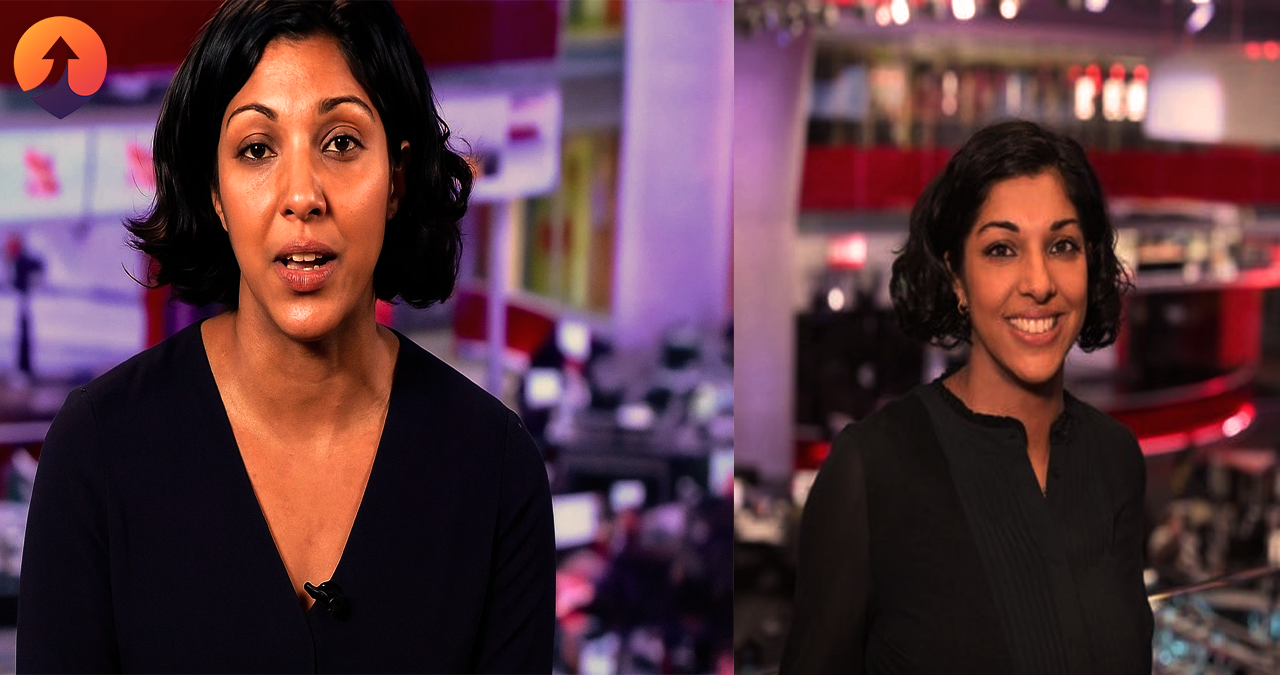
Executive Summary: This resource addresses the public’s curiosity about Leila Nathoo’s husband and personal life, providing a comprehensive look at the intersection of journalistic professionalism, privacy, and public interest. It explains why specific personal details of figures like Nathoo remain respectfully guarded and explores the broader implications of how we engage with media personalities beyond their on-screen work. By examining journalistic ethics, audience expectations, and the nature of modern media consumption, this guide helps readers understand the dynamics at play and how to appreciate public figures’ contributions while respecting their private spheres.
Introduction
When audiences connect with a trusted journalist, a natural human curiosity often extends beyond the news desk. For viewers and readers of BBC News, Leila Nathoo has become a familiar and authoritative presence, guiding them through complex global events with clarity and composure. This professional visibility inevitably leads to questions about the person behind the byline, with many searching for information about Leila Nathoo husband. This informational search intent reflects a common desire to understand the full picture of a public figure’s life. This article explains the nuanced reality behind such queries, delving into the professional ethos that shapes how journalists like Nathoo manage their public and private lives. We will explore the ethical considerations, the shifting expectations of audiences, and the importance of focusing on journalistic substance, offering a detailed perspective on why some stories, particularly those of a personal nature, remain intentionally untold.
The Journalist and the Public Persona: Defining Professional Boundaries
The role of a broadcast journalist is uniquely intimate. They enter our homes daily, their voices and faces associated with authority and trust during moments of crisis and celebration. This parasocial relationship—where audiences feel a one-sided connection—fuels a legitimate interest in the individual’s life. However, for journalists like Leila Nathoo, maintaining a clear demarcation between the public persona and the private individual is not a matter of secrecy but of professional integrity and personal necessity.
In practice, the most respected journalists cultivate a persona defined by their work: their investigative rigor, interviewing skill, narrative ability, and on-air presence. Their credibility is built on the substance of their reporting, not the details of their personal circumstances. Disclosing extensive personal information can inadvertently shift focus, creating narratives that distract from their primary mission of delivering news. Furthermore, in an era of heightened security concerns and online harassment, protecting the privacy of family members, including a spouse, is a critical safeguard. It allows the journalist to perform their demanding role without exposing their loved ones to undue public scrutiny or risk.
This deliberate boundary-setting is a common best practice across major news organizations. It protects the journalist’s impartiality—a core tenet of BBC journalism—and ensures that stories are judged on their merit, not the journalist’s personal life. When we search for details about Leila Nathoo’s personal life, we are, in effect, encountering this boundary in action. The scarcity of readily available information is not an oversight but a reflection of a conscious, professional choice shared by many of her peers.
Key takeaway: The separation between a journalist’s public role and private life is a deliberate professional standard designed to protect integrity, impartiality, and personal security.
Understanding the Search: The Psychology Behind Public Curiosity
Why does the question about Leila Nathoo husband arise with such frequency? Understanding this search intent requires examining the psychological drivers behind our engagement with media figures. First, there is a natural human tendency to seek completeness. When we regularly see someone in a specific, high-stakes context, we unconsciously wish to “fill in the blanks” of their identity to feel a more rounded connection. This is amplified by the nature of broadcast journalism, where the journalist’s demeanor, tone, and empathy can feel personally directed.
Second, modern media consumption is increasingly intertwined with celebrity culture. While serious journalists are not celebrities in the traditional sense, the platforms they occupy and the visibility they command can blur these lines in the public mind. Audiences accustomed to the curated personal disclosures common on social media and in entertainment journalism may transfer those expectations to all public figures. This creates a gap between what some audiences seek and what journalistic tradition provides.
Third, there is an element of relatability and inspiration. For many, particularly aspiring journalists or individuals from similar backgrounds, knowing more about a respected professional’s personal journey—including their relationships and support systems—can feel encouraging. It contextualizes their success within a human framework. However, fulfilling this desire for inspiration must be balanced against the individual’s right to privacy. The solution lies in redirecting that curiosity toward the more publicly available and relevant aspects of their professional journey: their career path, their notable reporting, and the principles that guide their work.
Key takeaway: Curiosity about a journalist’s personal life stems from natural human psychology and changing media habits, but satisfying it must be balanced with respect for the individual’s right to maintain a private sphere.
Navigating Information Gaps: What You Can Find and What It Means
A search for personal details about a private individual like Leila Nathoo’s spouse will typically yield limited, if any, concrete results. This absence is itself informative. Instead of finding biographical data, one is more likely to encounter discussions about the ethics of such inquiries, references to her professional accolades, or links to her substantial body of work. This outcome presents a valuable opportunity to refine our approach to consuming news and understanding journalists.
In the digital age, an information gap can be misconstrued as a puzzle to be solved, leading to speculation or the circulation of unverified claims. It is more productive to interpret the gap as a signal. It signals a subject’s choice, supported by their institution, to keep certain life aspects separate. When evaluating the credibility of any information that does surface, readers should apply rigorous scrutiny. Is the source reputable? Is the information relevant to her journalistic work? Often, the most reliable “information” about a journalist is their published reporting, their stated professional philosophy, and their on-air conduct.
For those interested in Leila Nathoo’s career, a wealth of material is available. From her early local reporting to her pivotal roles covering Westminster and international affairs for the BBC, her professional trajectory is publicly documented. Focusing here provides meaningful insight into her expertise, her development as a journalist, and the value she brings to audiences. This shift in focus—from personal speculation to professional appreciation—represents a more engaged and respectful form of fandom.
Defining Journalistic Privacy
Journalistic privacy refers to the ethical and practical boundary public-facing reporters maintain to separate their professional work from their personal lives. This practice safeguards their impartiality, protects their families from undue scrutiny, and ensures public discourse remains focused on the news itself, not the messenger. For figures like Leila Nathoo, this means details such as marital status or family life are considered private matters, allowing their reporting to stand on its own merits without personal distraction.
Key takeaway: The lack of readily available personal information is a deliberate outcome, guiding audiences to engage with a journalist’s professional contributions rather than their private circumstances.
The Ethical Framework: Why News Organizations Protect Privacy
The protection of a journalist’s private life is not arbitrary; it is underpinned by a strong ethical framework shared by credible news organizations. The BBC, for instance, has strict editorial guidelines concerning privacy. These state that individuals have a legitimate expectation of privacy, and any infringement must be justified by a public interest that outweighs the right to privacy. The “public interest” is rigorously defined and includes exposing crime, protecting public health or safety, and revealing serious wrongdoing. Clearly, the marital status of a journalist does not meet this high bar.
This ethical stance serves multiple purposes. It prevents conflicts of interest and protects against accusations of bias. If a journalist’s familial relationships were public knowledge, it could lead to perceived or actual biases in their reporting on certain subjects or organizations. It also fosters a safe working environment. Journalism can be a dangerous profession; keeping family details private is a basic security measure. Furthermore, it upholds the dignity of the profession, ensuring that journalism is not conflated with the celebrity gossip industry.
From a management perspective, supporting this privacy is also a duty of care. Employers have a responsibility to mitigate foreseeable risks to their staff. By not pressuring journalists to publicize their personal lives and by defending their right to privacy, organizations like the BBC fulfill this duty. This institutional support is crucial, as it empowers journalists to firmly but politely deflect personal inquiries and stay focused on their core work.
Key takeaway: Major news outlets enforce privacy protections based on a robust ethical code, prioritizing journalist safety, impartiality, and the public interest over salacious personal disclosure.
A Comparative View: Personal Branding vs. Journalistic Tradition
The media landscape contains a spectrum of how public figures handle personal information. Understanding where traditional broadcast journalism sits on this spectrum helps contextualize the approach of journalists like Leila Nathoo.
| Aspect | Traditional Broadcast Journalist (e.g., Leila Nathoo) | Personal-Brand-Driven Media Figure |
|---|---|---|
| Primary Focus | The news story, institutional credibility | Individual perspective, audience connection |
| Personal Disclosure | Minimal, guarded, rarely relevant to work | High, curated, integral to brand narrative |
| Platform Emphasis | Established news outlet (e.g., BBC) | Individual social media, personal website |
| Audience Relationship | Trust through accuracy and reliability | Engagement through relatability and access |
| Handling of Family | Strictly protected, almost never featured | Often part of the curated content |
This table illustrates a fundamental difference in purpose and method. The personal-brand model leverages life details to build an audience community. In contrast, the traditional journalistic model builds trust through detachment and objective rigor. Neither approach is inherently superior, but they serve different functions. Confusing the two leads to misplaced expectations. When audiences approach a BBC journalist with the expectations formed by following influencers or talk-show hosts, they will inevitably encounter the boundary represented by the left column.
As one veteran editor noted, “The strongest currency a journalist has is trust, and that trust is built on the consistent application of fair, accurate, and fearless reporting—not on letting the public into their living room.” This quote underscores the professional philosophy that prioritizes substance over spectacle.
Key takeaway: The restrained approach to personal life is a defining feature of traditional journalism, distinct from the personal-branding common in other media spheres, and is central to maintaining institutional trust.
The Professional Journey: Where the Focus Belongs
Redirecting attention from personal queries to professional achievements provides a far richer understanding of a journalist’s impact. Leila Nathoo’s career offers a compelling case study in dedication and skill. Her path likely involved rigorous training, perhaps starting in local radio or newspapers, honing the fundamentals of sourcing, writing, and editing under pressure. Progressing to a national broadcaster like the BBC requires consistently demonstrating exceptional judgment, clarity under tight deadlines, and the ability to distill complex issues.
Her roles, such as working as a BBC News correspondent and presenting on outlets like BBC World News, involve a specific skill set. This includes live broadcasting without a script, conducting insightful interviews with newsmakers, and analyzing breaking events with authority. Each appearance is the tip of an iceberg, supported by hours of research, editorial meetings, and verification. This behind-the-scenes effort—the true substance of journalism—is what defines her professional contribution.
For anyone inspired by her work, this professional journey is the relevant blueprint. Aspiring journalists can learn from her on-air precision, her interviewing technique, and her broad subject-matter competence. Exploring her reports on major political events or international crises provides a masterclass in broadcast journalism. This is the publicly available, ethically accessible, and profoundly valuable information that truly defines her public role.
Key takeaway: A journalist’s professional biography and body of work constitute the most meaningful and appropriate focus for public interest, offering insight into their expertise and value.
Audience Responsibility: Evolving Best Practices for News Consumers
The dynamic between public figures and the public is reciprocal. As journalistic standards evolve, so too should audience engagement. Modern best practice for news consumers involves a conscious shift towards content-focused appreciation. This means valuing the report over the reporter. It involves recognizing that a journalist’s private life, including the identity of Leila Nathoo’s husband, is irrelevant to the quality of the journalism they produce.
Audiences can cultivate this by being mindful of their own search habits and questions. If the impulse to search for personal details arises, pause and consider the intent. Is it relevant to understanding the day’s headlines? Will it change the factual content of the reporting? Typically, the answer is no. Instead, audiences can engage more deeply by following the journalist’s output on key issues, analyzing their reporting style, and critically evaluating the information they present.
This responsible consumption strengthens the media ecosystem. It signals to news organizations that the audience values substance, which in turn supports journalists in maintaining their ethical boundaries. It also pushes back against the creeping erosion of privacy that affects all public figures. By choosing to focus on the work, audiences actively participate in preserving the integrity of the news they rely on.
Defining Parasocial Engagement
Parasocial engagement describes a one-sided relationship where an audience develops a sense of intimacy and connection with a media personality they consume regularly, despite no actual personal interaction. This psychological phenomenon explains why viewers might feel curious or invested in a news presenter’s life off-screen. While normal, it’s important to recognize this feeling as a product of media exposure rather than a genuine mutual relationship, and to direct engagement appropriately toward the individual’s public work.
Key takeaway: Informed audiences can support quality journalism by consciously focusing their engagement on professional output and respecting the privacy boundaries journalists rightly maintain.
The Digital Footprint and Speculation: A Practical Warning
The internet’s architecture often fills informational voids with noise. In the absence of confirmed details about a private individual like a journalist’s spouse, speculative content or outdated forum chatter can gain undue visibility. Readers must navigate this landscape with caution. Misinformation can easily stem from innocent confusion—mixing up individuals with similar names—or from more deliberate fabrication.
A practical example of this risk is the “false connection” scenario. A name or image from an unrelated social media profile or a different professional context might be incorrectly linked to the journalist. Without a clear, official source, such connections are meaningless and potentially harmful. The hands-on practice for any reader is to apply source criticism: consider the provenance of the information, the motive of the publisher, and whether multiple independent, credible sources corroborate it. For personal details of a deliberately private individual, such corroboration will not exist.
This matters most when you encounter definitive-sounding claims. If a piece of information is not reflected on the journalist’s official professional profiles or in reputable biographical databases related to their work, it should be treated as highly suspect. Protecting your own understanding from misinformation is part of being a savvy media consumer.
Key takeaway: Unverified personal information found online is often speculative or false; the most reliable strategy is to disregard it and rely only on officially confirmed professional details.
A Checklist for Engaging with Journalists’ Public Profiles
Before concluding, consider this actionable checklist to guide respectful and insightful engagement with the work of any journalist, including Leila Nathoo:
- Prioritize the Portfolio: Seek out and analyze their major reports, interviews, and written articles.
- Assess the Craft: Note their interviewing style, narrative technique, and ability to explain complexity.
- Respect the Boundary: Understand that limited personal data is a professional norm, not a personal slight.
- Verify Sources: Treat any unsourced personal claim with extreme skepticism.
- Evaluate Impact: Consider the substance and effect of their journalism on public understanding.
- Support Ethical Practice: By focusing on the work, you endorse the ethical standards that protect journalistic integrity.
Conclusion
The curiosity surrounding Leila Nathoo husband opens a window into a much larger conversation about media, privacy, and public engagement in the modern age. While the question is understandable, the persistent lack of a public answer is itself a powerful statement. It reflects a sustained commitment to journalistic principles that place the story above the storyteller, safeguard personal dignity, and protect the impartiality essential for public trust. Leila Nathoo’s professional identity—forged through years of diligent reporting and authoritative presentation—is her public legacy. By choosing to engage with that legacy directly, audiences do more than satisfy curiosity; they participate in upholding the values that distinguish reliable journalism in a crowded information landscape. The true measure of a journalist is found in their work, and in that regard, the record is both full and freely available for all to see.
Frequently Asked Questions
Why is there so little information about Leila Nathoo’s husband?
BBC journalists, like many in traditional broadcast roles, maintain a strict separation between their professional and private lives. This is a standard ethical practice to protect their family’s privacy, ensure their personal security, and prevent any perception of bias that could undermine their reporting impartiality. The lack of information is a deliberate outcome of this professional boundary.
Is Leila Nathoo married?
Leila Nathoo has not publicly disclosed details about her marital status or personal relationships. This aligns with her and the BBC’s approach to journalist privacy, where such personal information is considered irrelevant to her professional capacity as a news correspondent and presenter.
How can I learn more about Leila Nathoo’s career?
You can follow her professional work directly through BBC News platforms, where she reports and presents. Her career trajectory, including past roles covering politics and international news, is documented in professional biographies on the BBC website and in media industry publications that focus on journalistic achievements rather than personal life.
Do other BBC journalists keep their personal lives private?
Yes, this is a common and respected practice across the BBC and many other serious news organizations. While some journalists may choose to share limited personal details, the majority, especially correspondents and presenters in news (as opposed to entertainment or lifestyle), keep their families and spouses out of the public eye as a norm.
Why is it important to respect a journalist’s privacy?
Respecting privacy is crucial for their safety and mental well-being, given the public nature of their job. It also protects journalistic integrity by ensuring reporting is not influenced by or judged against personal circumstances. Ultimately, it keeps the public’s focus where it should be: on the accuracy and importance of the news itself.