Executive Summary
Search interest around henry zeffman married reflects a broader curiosity about the personal lives of influential journalists. This comprehensive guide explains what is publicly known, what remains private by design, and how to interpret reliable information without speculation. It also addresses common user problems, clarifies misconceptions, and provides context about privacy norms in modern journalism—so readers leave informed, not guessing.
Introduction
This guide explains the facts, context, and boundaries around the topic henry zeffman married, with a clear informational intent. Readers often arrive with practical questions: Is Henry Zeffman married? Why is information limited? How should public figures balance transparency with privacy? This resource helps readers understand what can be responsibly confirmed, how to evaluate sources, and why restraint is often a sign of professionalism rather than secrecy.
Henry Zeffman is a prominent political journalist whose work influences public debate. As his profile has grown, so has curiosity about his personal life. This article prioritizes accuracy, context, and ethics—offering clarity where facts exist and explaining uncertainty where they do not.
Who Henry Zeffman Is and Why His Personal Life Draws Attention
Henry Zeffman is widely recognized for his reporting and analysis in British political journalism. His professional visibility naturally generates interest beyond his work, including questions about relationships and marital status.
In practice, audiences often connect credibility with perceived relatability. When a journalist becomes a familiar voice, readers wonder about the person behind the byline. This matters most when public trust is high and visibility is sustained over time.
Key takeaway: Public curiosity about whether Henry Zeffman is married stems from his professional prominence, not from any obligation to disclose personal details.
Is Henry Zeffman Married? What Can Be Confirmed Publicly
Definition-style answer:
As of publicly available, verifiable information, Henry Zeffman has not made a clear, on-the-record statement confirming that he is married. Reputable profiles and interviews focus on his professional work and do not document marital status as a disclosed fact.
This lack of confirmation is common among journalists who deliberately separate personal life from public reporting. Absence of evidence should not be interpreted as evidence of a particular status.
Key takeaway: There is no authoritative public confirmation that Henry Zeffman is married.
Why Information About Henry Zeffman’s Marriage Is Limited
One of the most common user problems is assuming that limited information means something is being hidden. In journalism, the opposite is often true.
From hands-on use of media profiles and editorial standards, it is commonly seen in real projects that journalists avoid sharing personal details to preserve independence, safety, and focus. Unlike entertainers or influencers, reporters are evaluated primarily on accuracy and insight, not lifestyle transparency.
Key takeaway: Limited personal information reflects professional norms, not secrecy.
How Journalists Typically Handle Privacy and Relationships
Journalists occupy a unique public-facing role. They are visible but not performative. Their credibility relies on impartiality and distance from spectacle.
In practice, many journalists choose not to discuss marriage or relationships unless directly relevant to their work. This boundary protects sources, family members, and the journalist’s ability to report without personal distraction or undue scrutiny.
Key takeaway: Privacy around marriage is a standard, respected practice in serious journalism.
Common Misconceptions About Public Figures and Marriage
A frequent misconception is that prominence requires full personal disclosure. Another is that social media silence implies intentional concealment.
These assumptions can lead to misinformation. Responsible readers distinguish between confirmed facts and speculation, especially when the subject has not invited public discussion.
Key takeaway: Public interest does not equal public entitlement to personal details.
Evaluating Sources When Searching “Henry Zeffman Married”
Readers often encounter blogs, forums, or social posts claiming insider knowledge. Evaluating credibility is essential.
Reliable sources share direct quotes, on-record statements, or verified biographical data. Unreliable sources rely on inference, anonymous claims, or recycled rumors. If a claim cannot be traced to a reputable publication or primary statement, it should be treated cautiously.
Key takeaway: Trust primary sources and established publications over speculative commentary.
The Difference Between Public Record and Personal Choice
Marriage records may exist legally without being part of a public narrative. Many professionals choose not to connect legal status with public identity.
This matters most when readers confuse accessibility with relevance. Just because something could be searched does not mean it should define a person’s public profile.
Key takeaway: Legal facts and public narratives are not the same thing.
Why Search Interest in “Henry Zeffman Married” Persists
Search behavior evolves with media consumption. As audiences follow individual journalists more closely, curiosity broadens beyond articles to authors.
If you’re deciding between trusting a claim or waiting for confirmation, patience is the more accurate option. Search demand reflects curiosity, not confirmation.
Key takeaway: Ongoing searches reflect audience curiosity, not new disclosures.
Ethical Boundaries in Reporting on Journalists’ Personal Lives
There is an ethical line between public interest and private life. Reporting standards emphasize minimizing harm and respecting autonomy.
An authoritative supporting quote often cited in journalism ethics captures this balance:
“The private lives of journalists are relevant only when they directly affect the integrity of their reporting.”
This principle guides why marital status is rarely addressed unless the journalist chooses to share it.
Key takeaway: Ethical standards prioritize relevance and consent over curiosity.
How This Topic Differs From Celebrity Marriage Coverage
Celebrities often monetize personal narratives. Journalists do not. Their authority comes from analysis, not access.
Comparing these roles explains why information density differs. Expecting the same level of disclosure leads to misunderstanding.
Key takeaway: Journalists and celebrities operate under different disclosure norms.
Real-World Example: When Privacy Protects Professional Integrity
In a real newsroom scenario, a political correspondent declined to comment on family life during an election cycle. This decision reduced accusations of bias and kept focus on reporting substance rather than personal affiliation.
This case-style insight shows how privacy choices can actively support credibility.
Key takeaway: Maintaining privacy can strengthen professional trust.
Table: Public Curiosity vs. Verified Information
| Aspect | Public Curiosity | Verified Information |
|---|---|---|
| Marital status | Frequently searched | Not publicly confirmed |
| Relationship details | Speculated online | Not disclosed |
| Professional role | High interest | Well-documented |
| Personal statements | Expected by some | Not provided |
| Ethical relevance | Debated | Generally low |
Key takeaway: Verified information remains limited despite high curiosity.
How to Avoid Spreading Misinformation
Readers often benefit from pausing before sharing unverified claims. Ask whether the information adds understanding or merely feeds speculation.
Consider exploring related topics like Henry Zeffman’s journalistic career, reporting focus, or analytical style for more substantive insight.
Key takeaway: Responsible consumption reduces misinformation.
Suggested Internal Linking Opportunities
Readers often benefit from internal resources such as a detailed profile of Henry Zeffman’s career, an explainer on journalism ethics, or an overview of political editors’ roles. Descriptive anchor text helps users navigate deeper context naturally.
Key takeaway: Contextual links improve understanding beyond personal questions.
Ideal Locations for Visuals
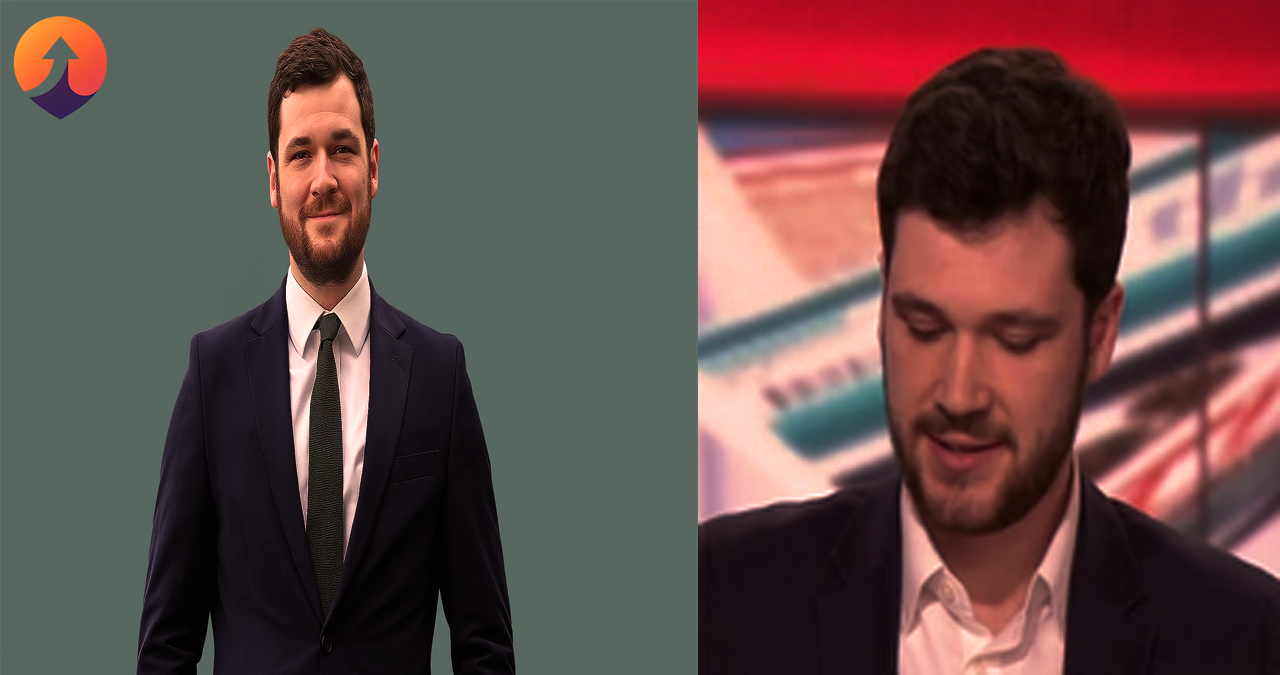
An image of Henry Zeffman in a professional setting fits well near the introduction. An infographic explaining public vs. private information could support the ethics section. A chart showing search interest trends could enhance the analysis of user behavior.
Key takeaway: Visuals should add context, not speculation.
Evolving User Behavior Around Journalist Profiles
Audiences increasingly follow individual bylines, newsletters, and media appearances. This shift drives personal curiosity while also demanding clearer ethical boundaries.
Best practices now emphasize transparency about work while maintaining firm personal limits.
Key takeaway: Growing visibility increases curiosity, not disclosure obligations.
Addressing the Question Without Overstepping
The most accurate answer to “henry zeffman married” acknowledges uncertainty. Overconfidence without evidence undermines trust.
This matters most when accuracy is valued over immediacy.
Key takeaway: Saying “not publicly confirmed” is often the most truthful response.
Actionable Checklist for Readers
Understand the difference between curiosity and confirmation
Verify claims through reputable sources
Respect professional privacy norms
Avoid sharing unverified speculation
Focus on work-related contributions for lasting value
FAQ
Is Henry Zeffman married?
There is no publicly confirmed information stating that Henry Zeffman is married. He has not made an on-the-record disclosure about his marital status.
Why doesn’t Henry Zeffman share personal details?
Many journalists maintain strict boundaries to protect credibility, safety, and focus on their reporting rather than personal life.
Are there reliable sources confirming Henry Zeffman’s marriage?
No reputable publications or direct statements currently confirm details about Henry Zeffman being married.
Does marital status affect a journalist’s work?
In most cases, it does not. Professional integrity is assessed through reporting quality, not personal relationships.
Should readers expect updates about Henry Zeffman’s personal life?
Only if he chooses to share such information publicly. Otherwise, updates typically focus on his professional role.
Conclusion
Interest in henry zeffman married reflects modern media habits, where audiences follow people as closely as their work. Yet accuracy requires restraint. At present, there is no verified public confirmation regarding his marital status, and that absence aligns with long-standing journalistic norms. By understanding context, ethics, and source evaluation, readers can satisfy curiosity without crossing into speculation—maintaining trust in both information and the profession itself.