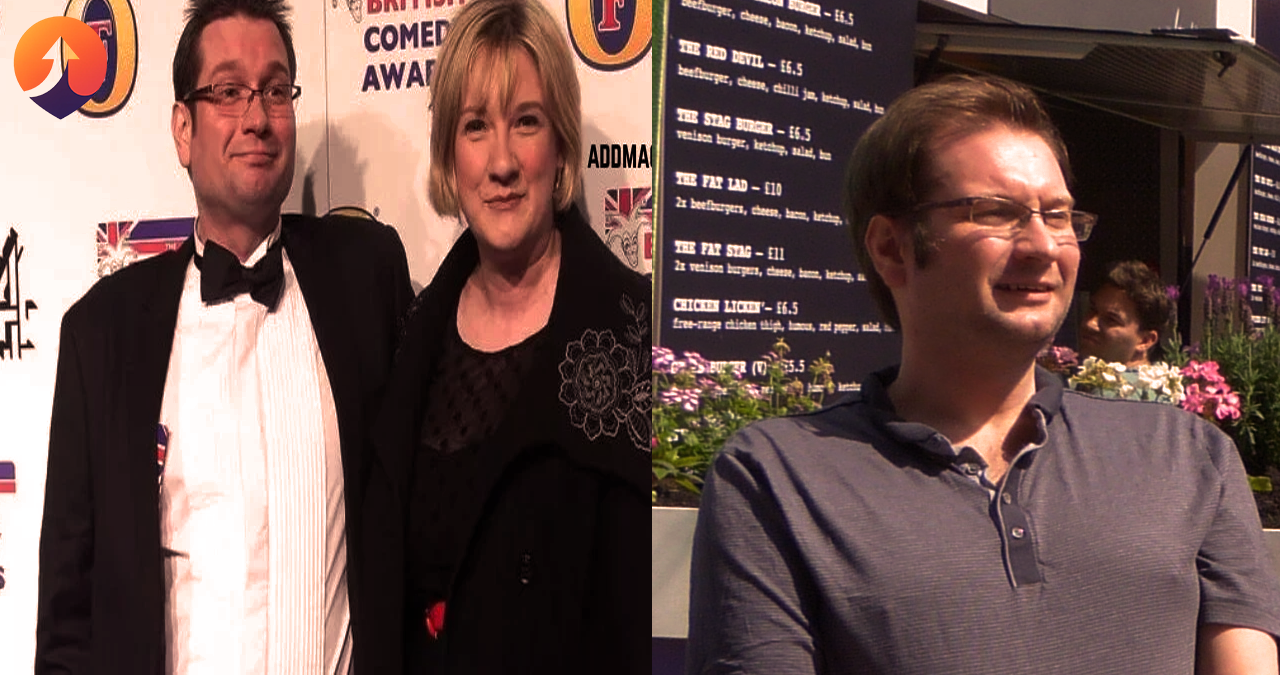
The phrase obituary ex husband andrew millican has quietly gained attention across search engines, prompting curiosity, reflection, and a desire for clear, human-centered information. Obituaries have always been more than announcements of death; they are cultural documents that summarize lives, relationships, and the emotional echoes left behind. When an obituary involves an ex-husband, especially one whose name continues to be searched and discussed, the story naturally becomes layered and complex.
This article takes a careful, respectful, and comprehensive look at the topic surrounding obituary ex husband andrew millican. Rather than speculation or sensationalism, the focus here is on understanding why such searches happen, how obituaries function in modern society, and how past relationships continue to shape public memory. By examining context, social patterns, and emotional realities, this guide aims to be informative, readable, and genuinely useful for readers seeking clarity.
Understanding Why Obituaries Attract Public Attention
Obituaries are unique pieces of writing because they sit at the intersection of personal grief and public record. They inform communities, preserve history, and often spark reflection among people who never personally knew the deceased. When a name like Andrew Millican becomes associated with obituary searches, it highlights how modern readers interact with loss and memory.
People often search obituary-related terms for practical reasons, such as confirming a death or learning funeral details. Others are motivated by emotional connections, past relationships, or unresolved questions. In the case of obituary ex husband andrew millican, the interest may stem from a former marital connection that still resonates with readers long after a divorce or separation.
Obituaries today are also widely shared online, which increases their visibility. Unlike the past, when notices appeared briefly in local newspapers, digital obituaries remain searchable for years. This permanence means that names connected to significant relationships can continue to draw attention well into the future.
The Role of an Ex-Husband in an Obituary Narrative
An ex-husband’s mention in an obituary can feel unusual to some readers, yet it is not uncommon. Marriages, even those that end, often shape the most important chapters of a person’s life. When writers acknowledge an ex-spouse, they recognize shared history without reopening old wounds.
In discussions around obituary ex husband andrew millican, the inclusion of “ex husband” suggests a relationship that once held meaning. Obituaries are not legal documents; they are emotional summaries. Including former spouses can signal respect, closure, or acknowledgment of shared years that mattered deeply at one time.
This approach reflects a broader cultural shift toward more honest storytelling. Instead of presenting idealized versions of lives, modern obituaries increasingly embrace complexity. They show that lives are rarely simple and that past relationships remain part of a person’s story, even after endings.
How Modern Obituaries Are Written Differently Than in the Past
Traditional obituaries once followed a strict formula: birth, marriage, career, children, and death. Today, writers take more freedom in tone and structure. They often include anecdotes, personality traits, and nuanced relationship histories that reflect real life.
When readers encounter searches related to obituary ex husband andrew millican, they are engaging with this newer style of obituary storytelling. These pieces are no longer just announcements; they are narratives that invite readers to understand a life in context. Mentioning an ex-husband can add depth rather than confusion when done thoughtfully.
This evolution also mirrors changes in family structures. Divorce, remarriage, and blended families are now common, and obituary writing has adapted. The goal is not to judge past relationships but to acknowledge their role in shaping a person’s journey.
Public Curiosity and Search Behavior Around Obituaries
Search engines reveal fascinating insights into human behavior. When a phrase gains traction, it often reflects collective curiosity rather than scandal. People may search obituary ex husband andrew millican to reconnect with someone from their past, confirm rumors, or simply understand a name they encountered elsewhere.
Public curiosity around obituaries is also tied to closure. Death often prompts reflection, even among those who were once distant. Searching for obituary information can be a way of processing emotions or revisiting unresolved chapters of life.
Additionally, journalists, genealogists, and researchers frequently search obituary-related terms. Obituaries serve as valuable historical records, documenting relationships and timelines that may not appear elsewhere. This practical use further explains why certain names remain searchable.
The Emotional Weight Behind Obituary Mentions
Every obituary carries emotional weight, both for those who write it and those who read it. Mentioning an ex-husband acknowledges that relationships do not simply disappear when they end. They leave marks, memories, and lessons that shape who people become.
In the context of obituary ex husband andrew millican, the phrase itself hints at an emotional backstory. Readers often sense that there is more beneath the surface, even if details remain private. This emotional depth is part of what makes obituary writing so powerful.
Families must balance honesty with sensitivity. Including an ex-spouse can be an act of grace, showing respect for shared years while honoring present relationships. When done well, it reflects emotional maturity rather than conflict.
Respecting Privacy While Telling a Complete Story
One challenge in writing or reading about obituaries involving former spouses is respecting privacy. Not every detail needs to be shared publicly. Obituaries aim to summarize a life, not dissect every personal moment.
When people search for obituary ex husband andrew millican, they may hope for answers, but it is important to recognize boundaries. Ethical obituary writing focuses on meaningful facts without exposing private pain. This balance protects families while still acknowledging important connections.
Readers also play a role in maintaining respect. Consuming obituary content with empathy rather than curiosity-driven judgment helps preserve dignity for everyone involved.
Cultural Differences in Obituary Practices
Obituary traditions vary widely across cultures and regions. In some societies, former spouses are rarely mentioned, while in others, they are acknowledged as part of a complete life record. Understanding these differences helps explain why certain obituaries include unexpected details.
The attention around obituary ex husband andrew millican may reflect a cultural environment that values transparency and inclusivity. As global audiences access obituaries online, diverse practices become more visible and accepted.
This cultural blending encourages broader understanding. Readers learn that there is no single “correct” way to honor a life, only ways that feel truthful and respectful to those closest to the deceased.
Media Influence on Obituary Visibility
Media coverage can significantly amplify obituary visibility. When a name appears in news articles, blogs, or social discussions, searches increase. This does not necessarily indicate fame; it often reflects connection points that resonate with readers.
If Andrew Millican’s name appears alongside obituary-related content, media algorithms may further boost its reach. This feedback loop explains how certain obituary searches gain momentum without intentional promotion.
Understanding this dynamic helps readers interpret search trends calmly. High visibility does not imply controversy; it often reflects interconnected digital systems.
The Language Used in Obituaries and Its Impact
Words matter deeply in obituaries. Tone, phrasing, and structure influence how readers perceive both the deceased and those mentioned. Referring to someone as an “ex-husband” rather than omitting them entirely is a deliberate choice that signals acknowledgment without overstating the relationship.
In searches for obituary ex husband andrew millican, the specific wording matters. It frames the relationship clearly while avoiding ambiguity. This clarity benefits readers seeking understanding rather than speculation.
Carefully chosen language also reduces misinterpretation. By stating relationships honestly, obituary writers help readers contextualize information respectfully.
A Table of Common Obituary Elements and Their Purpose
| Obituary Element | Purpose | Emotional Impact |
|---|---|---|
| Full Name | Clear identification | Establishes respect |
| Dates of Birth and Death | Historical record | Encourages reflection |
| Family Relationships | Contextualizes life | Highlights connections |
| Career or Passions | Shows individuality | Inspires remembrance |
| Mention of Ex-Spouse | Acknowledges shared history | Adds depth and honesty |
This table shows how each element contributes to a meaningful obituary. Including former spouses fits naturally within this structure when handled thoughtfully.
Quotes That Reflect the Spirit of Obituary Writing
“An obituary is not the end of a story, but a final chapter that invites reflection.”
This quote captures why readers are drawn to obituary content. It is about meaning, not just information.
“Lives are complex, and honoring them means accepting every chapter, even those that ended early.”
Such sentiments explain why mentioning an ex-husband can feel appropriate rather than awkward. It reflects acceptance of life’s full journey.
The Long-Term Digital Footprint of Obituaries
Once published online, obituaries often remain accessible indefinitely. This permanence shapes how names like Andrew Millican continue to appear in searches. Unlike print notices, digital obituaries become part of a searchable archive.
For those connected to the deceased, this can be comforting or challenging. Seeing familiar names resurface can evoke memories long after loss. Understanding this digital reality helps readers process why obituary ex husband andrew millican remains searchable.
It also underscores the importance of careful writing. Words written today may be read decades later by strangers seeking context or connection.
Genealogy and Research Uses of Obituaries
Obituaries are invaluable tools for genealogists and historians. They provide verified names, relationships, and timelines that may not exist elsewhere. Searches related to obituary ex husband andrew millican could stem from family research rather than personal curiosity.
Researchers often rely on obituaries to piece together family trees or understand social patterns. Including accurate relationship details supports this work while preserving historical truth.
This practical function adds another layer to why obituaries remain relevant and frequently searched.
How Families Decide What to Include
Families face difficult decisions when writing obituaries. They must choose what to include, what to omit, and how to phrase sensitive relationships. These choices are often guided by respect rather than obligation.
In cases involving former spouses, families may consult multiple perspectives. Including an ex-husband like Andrew Millican could reflect mutual respect or acknowledgment of shared history that mattered.
Understanding this process encourages readers to approach obituary content with empathy rather than assumptions.
The Balance Between Public Record and Personal Memory
Obituaries serve both public and private purposes. They inform communities while also acting as keepsakes for loved ones. This dual role requires balance, especially when discussing past relationships.
Search interest in obituary ex husband andrew millican highlights this balance. Readers want information, but families want dignity. Well-written obituaries manage to serve both needs without compromising either.
This balance is a testament to the evolving art of obituary writing.
Why Readers Seek Context Beyond the Obituary Itself
Sometimes an obituary raises questions rather than answers. Readers may seek additional context online, leading to increased search activity. This is a natural response to brief or carefully worded notices.
When searching obituary ex husband andrew millican, readers may be looking for understanding rather than gossip. They want to place a name within a broader narrative.
Providing context responsibly helps satisfy curiosity without crossing ethical boundaries.
The Human Need for Closure Through Information
Information often brings closure. Confirming facts, understanding relationships, and reading final tributes can help people process loss. Obituary searches are part of this healing process.
The interest in obituary ex husband andrew millican may reflect this need. Even those distantly connected can find peace in understanding how lives concluded and were honored.
Recognizing this emotional motivation fosters compassion among readers and writers alike.
Ethical Considerations for Online Content Creators
Writers and publishers who discuss obituary-related topics carry ethical responsibility. Accuracy, respect, and restraint are essential. Sensationalizing personal loss erodes trust and causes harm.
High-quality content about obituary ex husband andrew millican should aim to inform rather than exploit. By focusing on broader themes and respectful analysis, creators contribute positively to public understanding.
Ethical writing ultimately benefits both readers and those whose lives are being remembered.
The SEO Perspective on Obituary Content
From an SEO standpoint, obituary-related keywords perform well because they address specific, intent-driven searches. However, quality matters more than repetition. Search engines favor content that provides genuine value.
Using the phrase obituary ex husband andrew millican naturally, without overuse, aligns with best practices. Readers stay engaged when content feels human, not forced.
This approach improves ranking potential while maintaining integrity.
How Readers Can Approach Obituary Content Mindfully
Mindful reading involves empathy and context awareness. Obituaries are not entertainment; they are reflections of real lives. Approaching them thoughtfully honors both the deceased and their loved ones.
When encountering searches or articles related to obituary ex husband andrew millican, readers can pause and consider the human stories involved. This mindset transforms curiosity into understanding.
Mindful engagement enriches the experience and fosters respect across digital spaces.
Frequently Asked Questions
What does the phrase obituary ex husband andrew millican typically refer to?
The phrase generally refers to searches or discussions involving an obituary that mentions Andrew Millican in the context of being an ex-husband. It highlights a past marital connection acknowledged within an obituary narrative.
Why would an ex-husband be mentioned in an obituary?
An ex-husband may be mentioned to acknowledge shared history and significant life chapters. In cases like obituary ex husband andrew millican, it reflects respect rather than ongoing marital status.
Is it common for obituaries to include former spouses?
Yes, modern obituaries increasingly include former spouses when they played an important role in the deceased’s life. This practice adds honesty and depth to the life story being shared.
Why do people search for obituary ex husband andrew millican online?
People may search for confirmation, context, genealogy research, or emotional closure. Online obituaries remain accessible, making related names searchable over time.
How should readers interpret obituary information involving ex-spouses?
Readers should approach such information with empathy and avoid assumptions. Obituaries aim to honor lives respectfully, and mentions of ex-spouses are usually thoughtful and intentional.
Conclusion: Reflecting on Life, Memory, and Respect
The interest surrounding obituary ex husband andrew millican offers a window into how modern society engages with memory, relationships, and loss. Obituaries are evolving documents that reflect real lives, complete with complexity and nuance. Including former spouses acknowledges that love and connection do not vanish simply because relationships change.
By approaching obituary content thoughtfully, readers and writers alike can honor lives without intrusion. Respectful storytelling, ethical curiosity, and mindful engagement ensure that obituaries remain what they are meant to be: tributes that preserve dignity, history, and humanity long after life’s final chapter is written.