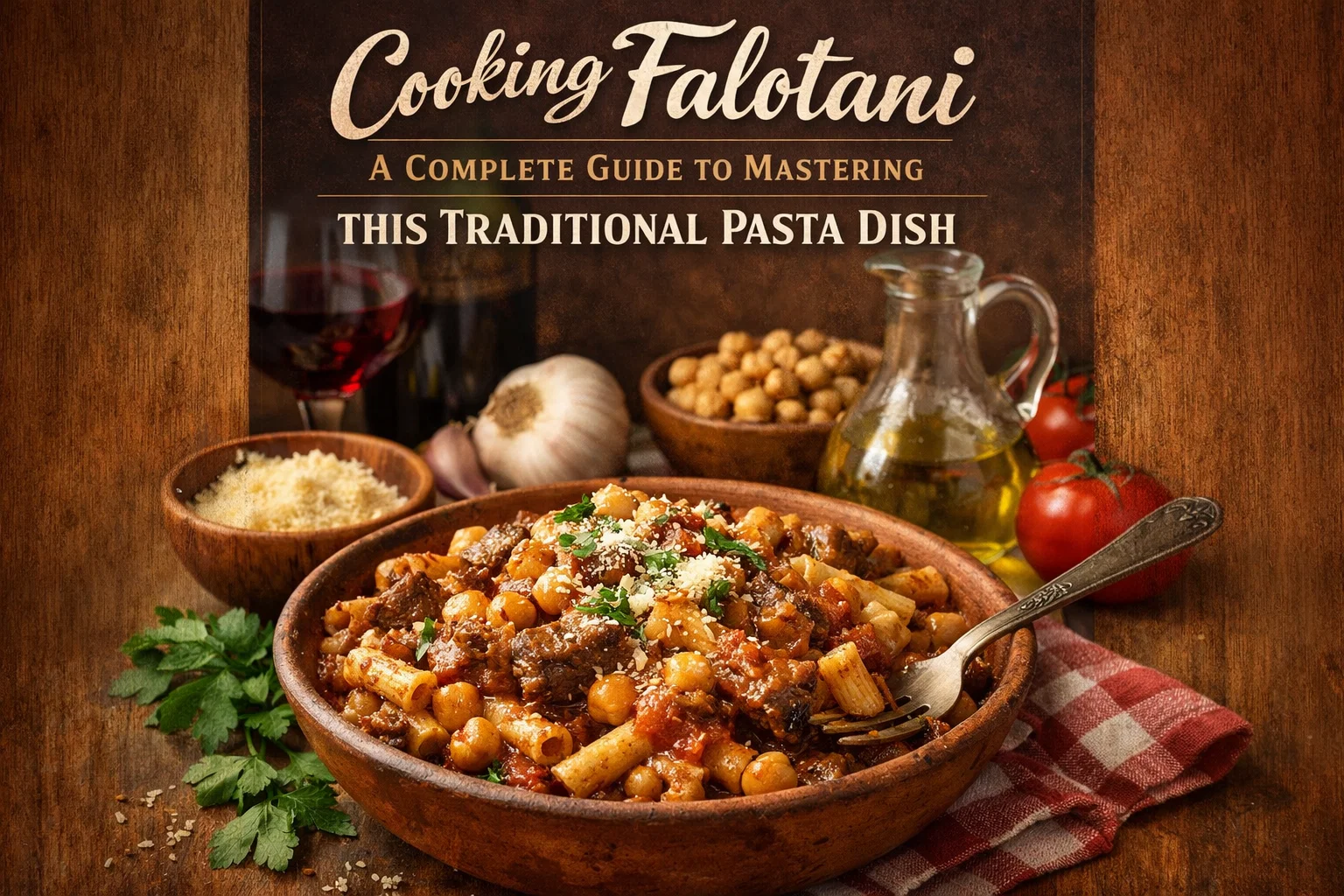
Cooking falotani is more than just preparing a meal; it is an experience rooted in tradition, patience, and an appreciation for simple ingredients treated with respect. Falotani, a lesser-known yet deeply satisfying pasta style, has long been cherished in regional kitchens where handmade food is part of everyday life rather than a special occasion. Its structure, texture, and ability to hold sauces make it a favorite among those who value depth of flavor over flashy presentation.
What sets falotani apart is its balance between rustic charm and culinary precision. It looks humble, but when prepared correctly, it delivers a complex mouthfeel and a comforting richness that modern shortcut dishes often lack. This guide is designed to walk you through every meaningful aspect of cooking falotani, from understanding its origins to mastering the techniques that elevate it from ordinary to unforgettable. Whether you are cooking for family or refining your skills as a serious home cook, falotani rewards attention and care.
Understanding Falotani and Its Culinary Identity
Falotani belongs to a family of traditional pasta shapes that developed long before standardized pasta production. It is typically thicker than common dried pasta and often handmade, which gives it a slightly uneven surface. That texture is not a flaw; it is intentional, allowing sauces to cling more effectively and deliver fuller flavor in every bite.
The identity of falotani is closely tied to slow cooking and thoughtful preparation. Unlike mass-produced pasta, it does not rush the process. The dough, resting time, shaping, and cooking all matter. This pasta reflects a culinary philosophy that values balance, restraint, and respect for ingredients. When people talk about authentic comfort food, falotani often fits that description perfectly.
Culturally, falotani is associated with home kitchens rather than restaurants. It is the kind of dish passed down through observation rather than written recipes. That oral tradition has allowed variations to flourish, but the core principles remain consistent: good flour, proper hydration, gentle handling, and mindful cooking.
Ingredients That Define Authentic Falotani
The beauty of falotani lies in its simplicity, but that simplicity leaves no room for poor-quality ingredients. Flour is the backbone, and traditionally, a coarse semolina or a blend of durum wheat flours is used. This choice contributes to falotani’s firm structure and slightly nutty flavor, which holds up well under robust sauces.
Water is often overlooked, yet it plays a crucial role. The hydration level determines elasticity and chew. Too much water weakens the dough, while too little makes shaping difficult. Salt, though minimal, should be evenly distributed to enhance flavor without overpowering the wheat.
Some regional variations incorporate eggs, especially for festive versions, but classic falotani relies on flour and water alone. This minimalist approach highlights the quality of the grain itself. As one old Italian saying goes, “Good pasta does not hide behind ingredients; it stands on its own.”
The Dough-Making Process and Its Importance
The dough-making stage is where cooking falotani truly begins. Mixing should be slow and deliberate, allowing the flour to absorb water gradually. Rushing this step can lead to uneven hydration, which affects both texture and cooking performance.
Kneading is equally important. Proper kneading develops gluten structure, giving falotani its characteristic bite. The dough should feel firm yet pliable, resisting slightly under the hands. This resistance is what later translates into satisfying chew once cooked.
Resting the dough is not optional. Allowing it to rest relaxes the gluten, making shaping easier and preventing tearing. During this time, the dough becomes more cohesive, ensuring that falotani cooks evenly and maintains its shape in boiling water.
Shaping Falotani by Hand
Shaping falotani is an art that improves with practice. Traditionally, small portions of dough are rolled and pressed to create their distinctive form. The goal is not uniform perfection but consistent thickness, which ensures even cooking.
The slight irregularities created by hand shaping are actually beneficial. They create micro-textures that trap sauce, enhancing flavor delivery. This is one reason why falotani pairs so well with slow-cooked sauces and rich broths.
Patience is key during shaping. Working too quickly can compress the dough, making it dense. Gentle, rhythmic movements allow the dough to retain air and elasticity, contributing to a lighter final dish.
Cooking Techniques That Bring Falotani to Life
Cooking falotani requires attention to timing and water quality. A large pot with plenty of water is essential to prevent sticking and allow the pasta to move freely. The water should be generously salted, as this is the primary opportunity to season the pasta itself.
Unlike thinner pasta, falotani benefits from a slightly longer cooking time. It should be tested frequently near the end, aiming for a texture that is tender yet resilient. Overcooking dulls its character, while undercooking leaves an unpleasant raw center.
Once drained, falotani should be combined with sauce immediately. Allowing it to sit can cause it to clump and lose surface moisture. The final moments in the pan, where pasta and sauce marry over gentle heat, are where flavor integration truly happens.
Sauce Pairings That Complement Falotani
Falotani’s structure makes it ideal for sauces with body. Thick tomato-based sauces, slow-braised meats, and vegetable ragùs all work beautifully. The pasta’s surface grips these sauces, ensuring balanced bites.
Cream-based sauces can also shine when used thoughtfully. Because falotani has substance, it prevents creamy sauces from feeling heavy or one-dimensional. Adding herbs, aromatics, or a touch of acidity keeps the dish lively.
Light sauces are less common but not impossible. When paired with olive oil, garlic, and seasonal vegetables, falotani transforms into a dish that celebrates restraint. The key is to let the pasta remain the star rather than overwhelming it.
Traditional Cooking Falotani in Regional Kitchens
In many households, cooking falotani is tied to specific days or occasions. It is often prepared on weekends when time allows for hands-on cooking. This ritual aspect reinforces its cultural significance.
Regional kitchens often rely on instinct rather than measurements. Cooks adjust hydration based on humidity, flour age, and feel. This adaptability is part of what makes falotani a living tradition rather than a fixed recipe.
As one seasoned cook once said, “Falotani teaches you to listen to the dough.” That mindset reflects a deeper connection between cook and food, something increasingly rare in modern kitchens.
Nutritional Profile and Wholesome Qualities
Falotani made from durum wheat offers a steady release of energy due to its complex carbohydrates. Its firm structure slows digestion, promoting satiety and balanced blood sugar levels when eaten in moderation.
When paired with vegetables, legumes, or lean proteins, falotani becomes part of a nutritionally complete meal. Its simplicity allows cooks to control fat and sodium levels more easily than processed alternatives.
Homemade falotani also avoids preservatives and additives found in some commercial pastas. This makes it a cleaner option for those who prioritize whole foods and mindful eating.
Common Mistakes and How to Avoid Them
One frequent mistake is overhydrating the dough. This leads to sticky pasta that loses shape during cooking. Gradual water addition helps prevent this issue.
Another error is overcrowding the pot. Falotani needs space to cook evenly, and crowding lowers water temperature, resulting in uneven texture. Using a larger pot solves this problem easily.
Skipping the resting period is also common. Resting improves workability and final texture, making it a non-negotiable step in quality preparation.
Tools That Support Better Results
While falotani can be made with minimal equipment, certain tools improve consistency. A sturdy work surface allows for proper kneading, while a bench scraper helps manage dough portions cleanly.
A large, heavy-bottomed pot ensures stable boiling temperature, which is crucial for even cooking. Wooden utensils are preferred for stirring, as they are gentle on handmade pasta.
None of these tools replace skill, but they support the process, making it more enjoyable and reliable.
A Comparative Look at Falotani and Other Pasta Types
| Feature | Falotani | Spaghetti | Penne |
|---|---|---|---|
| Texture | Thick, chewy | Smooth, elastic | Firm, ridged |
| Sauce Holding | Excellent | Moderate | High |
| Cooking Time | Medium-long | Short | Medium |
| Best Use | Hearty sauces | Light to medium sauces | Versatile |
This comparison highlights why falotani stands out in dishes requiring depth and structure. Its ability to hold sauce and maintain integrity makes it especially suited for slow-cooked preparations.
Modern Interpretations of Cooking Falotani
Contemporary cooks have begun experimenting with whole-grain flours, alternative grains, and creative sauces. These adaptations expand falotani’s appeal while respecting its foundational principles.
Vegetarian and plant-forward versions are particularly popular, using mushrooms, lentils, and seasonal produce to create satisfying meals without meat. These interpretations demonstrate falotani’s flexibility.
Despite innovation, the core technique remains unchanged. Successful modern dishes still rely on careful dough handling and thoughtful cooking.
The Emotional Side of Falotani Cooking
Cooking falotani often evokes memories of shared meals and family gatherings. Its slow preparation encourages presence and mindfulness, turning cooking into a calming ritual.
This emotional connection enhances enjoyment. Food prepared with care tends to be savored more deeply, creating a sense of comfort and belonging.
In a fast-paced world, falotani offers a reminder that some things are worth taking time for.
Pairing Falotani with Seasonal Ingredients
Seasonality plays a major role in traditional falotani dishes. Spring vegetables bring freshness, while autumn ingredients add warmth and depth.
Cooking falotani with what is available locally not only improves flavor but also strengthens the connection between dish and environment. This approach aligns with sustainable cooking practices.
Seasonal pairing keeps falotani exciting, ensuring it never feels repetitive despite its simple base.
Serving and Presentation Considerations
Presentation should reflect falotani’s rustic nature. Overly elaborate plating can feel out of place. Simple bowls or plates allow the pasta’s texture to shine.
A final drizzle of olive oil, a sprinkle of herbs, or grated cheese adds visual appeal without distraction. These finishing touches should enhance, not overshadow.
Serving falotani hot and fresh ensures optimal texture and flavor, reinforcing the care invested in its preparation.
Cultural Preservation Through Falotani
Cooking falotani helps preserve culinary heritage. Each batch made by hand continues a lineage of knowledge passed through generations.
Teaching younger cooks these techniques ensures that falotani remains relevant. It becomes not just a recipe but a shared cultural practice.
Preservation through practice is more powerful than documentation alone, and falotani exemplifies this principle beautifully.
Conclusion
Cooking falotani is a journey that blends tradition, technique, and personal expression. Its simplicity invites focus, while its depth rewards patience. From dough preparation to final plating, every step contributes to a dish that feels both comforting and refined.
By understanding its origins, respecting its ingredients, and mastering its techniques, anyone can create falotani that honors its heritage while fitting seamlessly into modern life. This pasta is not about shortcuts; it is about connection, care, and the quiet satisfaction of doing something well.
FAQ
What makes cooking falotani different from other pasta dishes?
Cooking falotani requires more attention to dough texture, shaping, and timing. Its thickness and handmade nature demand a slower, more mindful approach compared to standard dried pasta.
Can cooking falotani be done without special equipment?
Yes, cooking falotani can be accomplished with basic kitchen tools. While certain tools improve efficiency, the process fundamentally relies on technique rather than equipment.
Is cooking falotani suitable for beginners?
Cooking falotani is approachable for beginners who are willing to practice patience. The learning curve is gentle, and mistakes often lead to valuable insights rather than failure.
How long does homemade falotani typically last?
Fresh falotani is best used within a day when refrigerated. Proper drying can extend its shelf life, but texture is optimal when consumed fresh.
Does cooking falotani work well for meal preparation?
Cooking falotani can fit into meal preparation plans if stored and reheated carefully. Pairing it with sauces that retain moisture helps preserve its texture and flavor.