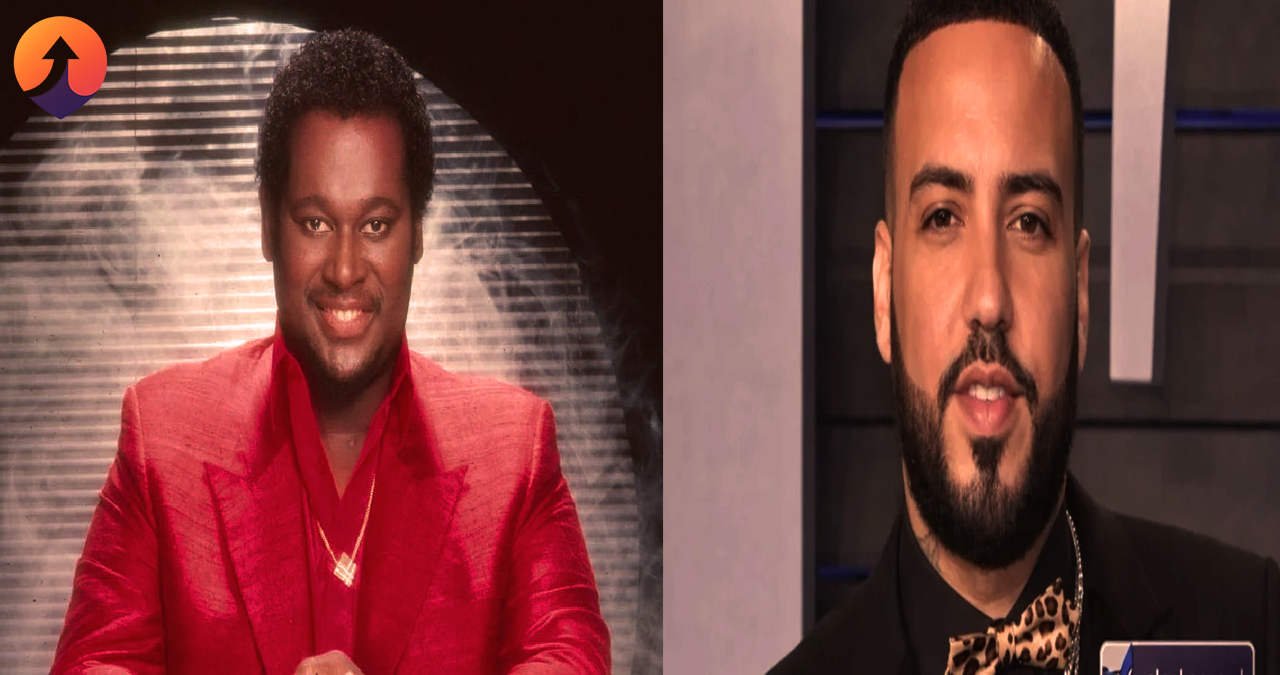
When people talk about rhythm & blues royalty, the name Charles Anthony Vandross often appears — not because he was a household name himself, but because of his role as the eldest sibling in a family that produced one of the most celebrated voices in modern music. While Charles Anthony Vandross didn’t walk the red carpets or top music charts, his presence and influence helped form the foundation of a musical dynasty. In this comprehensive article, we’ll explore his early life, family dynamics, cultural impact, and the world around the Vandross name, giving you a rich, expert understanding of who Charles Anthony Vandross was and why his story matters.
A Quiet Beginning in a Musical Family
The story of Charles Anthony Vandross begins long before any record deals or Grammy Awards were on the horizon. Born on February 7, 1947, Charles was the firstborn child in a household brimming with music, community engagement, and artistic potential.
Growing up in New York City, the Vandross household was a lively place. Their mother, Mary Ida Shields Vandross, worked as a nurse, while their father, Luther Vandross Sr., was both an upholsterer and a singer — blending craftsmanship with artistry. It was within these walls that young Charles and his siblings, including the future music legend Luther Vandross, were exposed to gospel, soul, and R&B rhythms that would later echo throughout their lives.
As the eldest child, Charles Anthony Vandross stepped into responsibilities that went beyond his years. When his father passed away in 1959, Charles was just 12 years old — yet he took on a supporting role in helping his mother care for his younger siblings, contributing to the stability and cohesion of the family during a period of emotional upheaval.
This formative experience was more than just about taking on household duties. It was about learning resilience, sacrifice, and commitment — traits that would find their way into the very fabric of his younger brother’s musical expression. While Charles chose a path away from the spotlight, his early influence within the family helped set the emotional tone for the environment in which Luther would grow.
Charles and Music: Shared Roots, Diverging Paths
It’s tempting to assume that growing up in a household rich with musical activity meant every sibling would pursue a career in entertainment. But life often takes different directions.
In contrast to his younger brother Luther — who would rise to fame as one of the most iconic R&B and soul singers of his generation — Charles Anthony Vandross charted a more private, conventional trajectory.
There’s little public record to suggest that Charles sought fame or a professional career in music. Instead, his life appears to have been marked by quiet dedication, personal fulfillment, and a preference for stability over celebrity. This difference in direction is not uncommon in families where one sibling achieves extraordinary visibility: sometimes, the person who provides the early scaffolding prefers to remain behind the scenes.
This choice makes Charles’s story deeply human. It’s a reminder that influence isn’t always measured in accolades or fame — sometimes, it’s measured in love, support, and the lived example of care within a family unit.
Behind the Name: The Vandross Sibling Network
Understanding the life of Charles Anthony Vandross also means recognizing the broader dynamic of the Vandross family — particularly their connection to music and community.
The Vandross siblings grew up in an era when soul and R&B were flourishing across the American soundscape. Sundays might be filled with gospel, while afternoons echoed with blues and jazz. It was in this family atmosphere that the seeds of creativity were planted — even if only one sibling went on to pursue music professionally.
Charles’s sisters, Patricia “Pat” Vandross and Ann D. Vandross Sanders, were also part of this artistic home. Patricia briefly performed with a doo-wop group called The Crests, which reinforced the sense that music was more than entertainment — it was a shared language in the Vandross household.
While Charles himself may not have recorded albums or toured the world, his participation in family singing sessions, local performances, and community workshops helped cultivate a sense of artistic exploration that shaped those around him — especially his younger brother Luther.
The Vandross Legacy in Context
To appreciate the subtle influence of Charles Anthony Vandross, it helps to understand the context of his younger brother’s career, because that success reflects back on the family environment Charles helped sustain.
Luther Vandross emerged as a dominant force in R&B and soul music beginning in the late 1970s and into the 1980s and beyond. He became known for his smooth, romantic ballads, earning multiple Grammy Awards and selling millions of records worldwide. His work crossed genres and touched audiences around the globe.
Some of Luther’s most celebrated songs include the chart-topping “Never Too Much,” a beloved love anthem, and “Dance with My Father,” a deeply emotional tribute that earned the Grammy Award for Song of the Year. Meticulous in his phrasing and deeply expressive in his delivery, Luther’s voice became synonymous with romantic soul.
While he often stood in the spotlight, his success was grounded in a family foundation shaped by music, resilience, and personal connection — a foundation that Charles Anthony Vandross helped lay in quiet ways.
The Power of Quiet Influence
Life doesn’t always produce dramatic headlines or viral moments. Sometimes, its impact is found in the subtle, day-to-day support that makes someone else’s greatness possible.
For Charles Anthony Vandross, this influence came through stability, family care, and the early enrichment of a musical environment. His story isn’t about fame or public accolades — it’s about quiet strength and support in the face of adversity. It’s a reminder that not all contributions are measured in awards and records sold. Some are measured in the love and opportunity given to others who carry the torch forward.
Table: Comparing Vandross Family Members and Their Paths
| Name | Born | Career Path | Public Recognition |
|---|---|---|---|
| Charles Anthony Vandross | February 7, 1947 | Private life, family support | Low public profile |
| Luther Vandross | April 20, 1951 | R&B singer, songwriter, producer | Global fame, music awards |
| Patricia “Pat” Vandross | 1940s | Doo-wop singer (brief) | Limited public attention |
| Ann D. Vandross Sanders | 1940s | Family support role | Private life |
Quotes That Capture a Family’s Heart
“Our home was filled with music long before there were stages and spotlights. We sang because our hearts moved us, not because anyone told us to.” — a close friend of the Vandross family, reflecting on their early household memories.
“The voice you hear in the songs wasn’t the only gift in that house — it was the love and support that shaped it.” — community memory about the Vandross upbringing.
These quotes embody the central truth of Charles Anthony Vandross’s life: influence doesn’t always announce itself loudly — it simply lives on in the voices it helps raise.
Conclusion
The story of Charles Anthony Vandross is not one defined by celebrity or record sales; it’s a story about family, love, and understated influence. As the eldest in a household that nurtured one of the greatest voices in R&B history, Charles played a role that few ever see — one that helped shape a generation of music without ever stepping into the spotlight himself.
His life reminds us that not all contributions are visible, and not all legacies are measured in applause. Sometimes, the most profound impact is the one felt quietly within the hearts of loved ones and echoed through the melodies of those who rise to greatness.
FAQ
Who was Charles Anthony Vandross?
Charles Anthony Vandross was the eldest sibling in the Vandross family who provided early support and stability for his siblings, including the later R&B superstar Luther Vandross.
What role did Charles play in Luther Vandross’s life?
Charles Anthony Vandross helped create a nurturing home environment that allowed his younger brother, Luther, to grow into a world-renowned singer and songwriter.
Did Charles Anthony Vandross pursue a music career?
No, unlike his brother Luther Vandross, Charles chose a private life outside of the entertainment industry, focusing on personal and family matters.
Was Charles Anthony Vandross famous?
Charles Anthony Vandross did not pursue public fame, and his name is known mainly in connection with his famous brother.
How is Charles Anthony Vandross remembered today?
Charles is remembered as a foundational figure in the Vandross household whose early influence helped shape a musical legacy that would touch millions of fans worldwide.