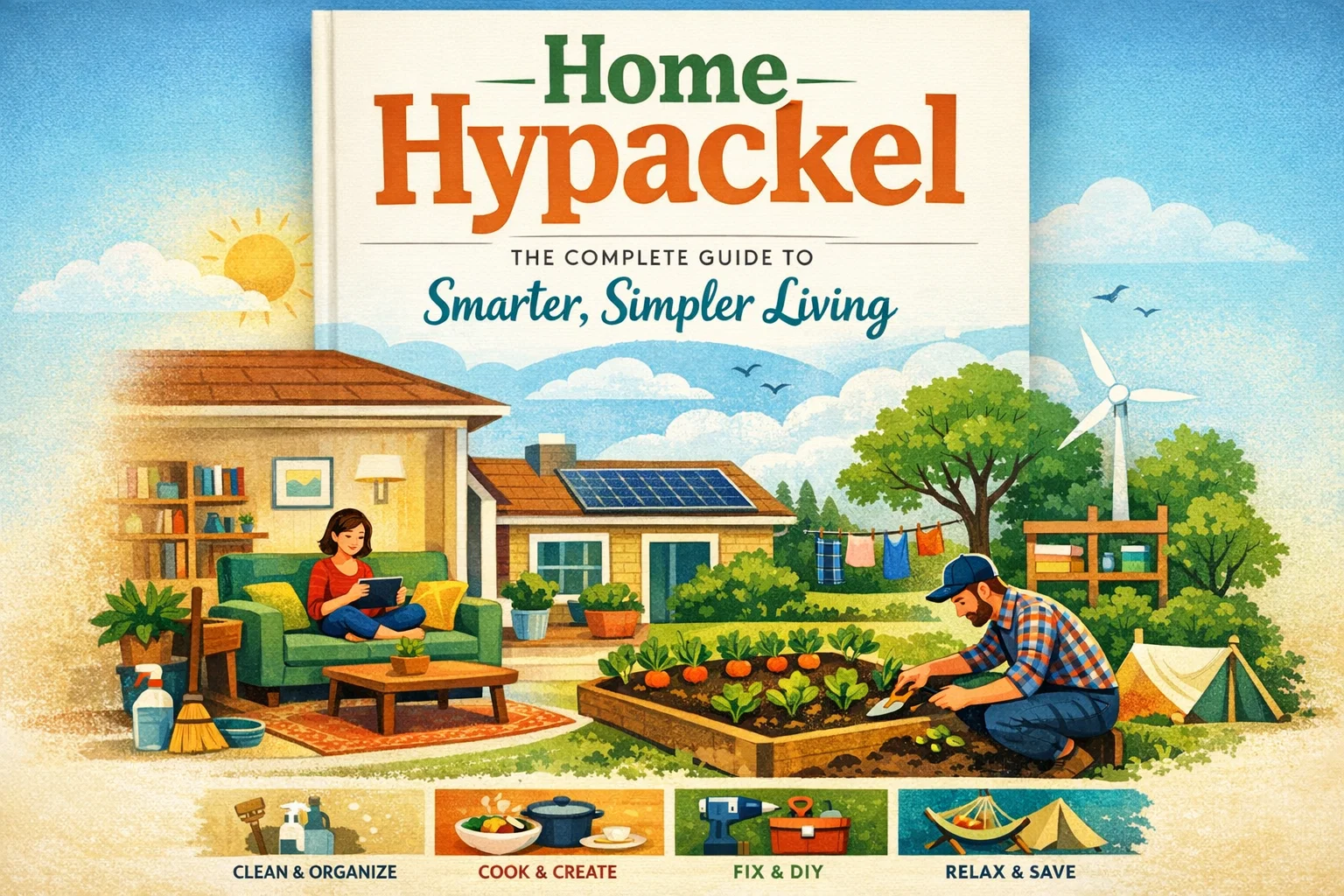
The idea of simplifying life at home while improving efficiency, comfort, and performance has become more important than ever. That’s where home hypackel enters the conversation. This concept blends smart organization, modular infrastructure, compact systems, and integrated technology to create a highly functional living space without unnecessary clutter or complexity. It focuses on maximizing space, minimizing waste, and ensuring every element inside a home serves a practical purpose.
At its core, home hypackel is about intelligent packaging of home systems. It combines design, storage optimization, energy efficiency, and smart home integration into one streamlined ecosystem. Instead of scattering devices, utilities, and storage solutions throughout a house in a chaotic manner, everything works together in a unified structure. The result is a cleaner layout, lower operational costs, and improved daily living comfort. This guide dives deep into the concept, benefits, installation, design strategies, and long-term value of building a modern household around this innovative approach.
Understanding the Core Concept Behind Modern Integrated Home Systems
The concept behind integrated home systems is rooted in efficiency and structure. Traditional home layouts often evolve over time without planning. Cables get added, devices are placed randomly, and storage becomes scattered. Over time, this leads to clutter, inefficiency, and unnecessary expenses. An integrated approach reorganizes these components into a centralized and well-structured framework.
A well-designed home hypackel system brings together electrical panels, smart hubs, energy management systems, storage modules, and ventilation setups into a coordinated structure. Instead of viewing each component as separate, the house operates like a cohesive unit. It mirrors the philosophy that “a home should function like a well-organized toolkit—everything in its place, ready when needed.” This quote reflects the foundational mindset behind efficient modern housing.
By integrating multiple functions into compact modules, homeowners reduce redundancy and improve maintenance access. The layout becomes easier to manage, repair, and upgrade over time. This integration also improves safety, as wiring, connections, and utilities are organized rather than loosely distributed.
Why Structured Living Spaces Are Becoming Essential
Urban living spaces are shrinking in many parts of the world. Apartments, townhouses, and compact family homes require smarter use of available square footage. Traditional bulky systems waste valuable room. Structured living designs solve this by merging multiple functionalities into single units.
The shift toward sustainability has also increased demand for organized home infrastructures. Energy efficiency, smart lighting, climate control, and water-saving technologies work best when integrated rather than isolated. Structured systems allow homeowners to monitor and manage energy consumption more effectively.
Another reason structured living is essential lies in psychological comfort. A tidy, organized environment reduces stress and enhances productivity. When storage, utilities, and devices are neatly consolidated, daily tasks feel smoother and more manageable. This sense of order contributes to a calmer and more focused lifestyle.
Key Components of an Effective Home System
A well-planned home hypackel setup includes several interconnected components. These typically involve centralized power distribution units, compact HVAC systems, organized cable management panels, smart device hubs, and modular storage compartments. Each component is designed to interact seamlessly with the others.
Centralized control panels reduce wiring clutter and improve maintenance accessibility. Energy monitoring systems track electricity usage and identify inefficiencies. Modular storage units utilize vertical and hidden spaces effectively. Smart lighting and temperature controls are integrated into a single interface, making management intuitive and efficient.
The strength of this approach lies in thoughtful planning. Every cable, pipe, and device has a designated location. This structured configuration ensures long-term reliability and easier upgrades as technology evolves.
Benefits of Implementing an Integrated Home Infrastructure
The advantages of adopting home hypackel extend beyond aesthetics. One of the primary benefits is cost efficiency. Centralized systems reduce energy waste, simplify repairs, and minimize the need for frequent adjustments. Over time, these savings accumulate significantly.
Another major benefit is improved space utilization. Homes often contain unused corners, wall cavities, or overhead areas that can be converted into functional storage or system compartments. By consolidating systems into designated modules, living areas remain open and clutter-free.
Safety improvements are equally important. Organized wiring reduces fire hazards and makes electrical systems easier to inspect. Structured plumbing reduces leak risks and simplifies troubleshooting. When everything is visible and accessible, issues can be detected early.
Finally, scalability plays a crucial role. As families grow or technology advances, structured systems are easier to expand. Adding new smart devices or upgrading energy systems becomes straightforward when infrastructure is centralized and modular.
Design Principles That Make the System Work
Design plays a critical role in ensuring functionality. A successful layout follows principles of minimalism, accessibility, and modularity. Minimalism does not mean empty spaces; it means purposeful spaces. Each element should serve a function while contributing to overall harmony.
Accessibility ensures that critical systems are easy to reach without dismantling entire walls. Maintenance panels, cable hubs, and ventilation units must be positioned strategically. Modularity allows individual components to be replaced or upgraded without disrupting the entire structure.
A balanced design also considers airflow, heat dissipation, and load distribution. Integrated electrical hubs must have adequate ventilation. Storage units must not block access to critical systems. The goal is seamless blending of practicality and visual simplicity.
Cost Considerations and Budget Planning
Financial planning is crucial when implementing a structured home system. While the initial investment may appear higher than traditional setups, long-term savings often justify the expense. Energy efficiency, reduced maintenance, and increased property value offset upfront costs.
Below is a simplified cost overview table illustrating general expense categories:
| Component Category | Estimated Cost Range | Long-Term Savings Potential |
|---|---|---|
| Central Power Hub | Moderate to High | High energy efficiency |
| Modular Storage Units | Moderate | Space optimization |
| Smart Control System | Moderate | Reduced utility bills |
| Cable Management Infrastructure | Low to Moderate | Lower maintenance costs |
| HVAC Integration Module | High | Significant energy savings |
These ranges vary based on home size and materials used. However, the long-term financial benefits make home hypackel an investment rather than a short-term expense.
Energy Efficiency and Environmental Impact
Energy management is one of the strongest advantages of structured home systems. Centralized monitoring allows homeowners to track electricity usage in real time. This visibility encourages conscious consumption and reduces waste.
Efficient HVAC integration ensures optimal temperature control without excessive energy use. Insulated system compartments reduce thermal loss. Smart lighting automatically adjusts based on occupancy and daylight levels.
Sustainability also improves through reduced material waste. Instead of installing separate bulky systems, integrated modules use fewer materials and occupy less space. This efficient use of resources aligns with environmentally responsible construction practices.
Installation Process and Professional Planning
Installation requires careful planning and skilled execution. The first step involves assessing the existing layout of the home. Electrical wiring, plumbing lines, structural support, and ventilation must be mapped accurately.
Once planning is complete, modular compartments are installed. Centralized hubs are positioned in accessible yet discreet areas. Cable management systems are routed through structured channels. Smart systems are configured to communicate seamlessly.
Professional oversight ensures safety compliance and performance optimization. Although DIY attempts are possible for smaller upgrades, comprehensive installations benefit from expert involvement to guarantee long-term reliability.
Maintenance and Long-Term Durability
Maintenance becomes significantly easier in a structured system. Centralized components allow technicians to diagnose and repair issues quickly. Instead of searching through walls or ceilings, they can access designated panels.
Durability improves when systems are installed with proper load balancing and ventilation. Organized layouts reduce strain on wiring and plumbing. Preventive maintenance becomes straightforward, extending the lifespan of major components.
Routine inspections, software updates for smart hubs, and periodic cleaning of ventilation modules ensure continued performance. A well-maintained home hypackel setup can last decades with minimal disruption.
Smart Technology Integration
Modern living relies heavily on smart devices. Structured home infrastructure supports seamless integration of lighting, security cameras, thermostats, and voice assistants. When these devices operate within a unified network, performance improves.
A centralized control interface allows homeowners to manage everything from a single dashboard. This integration reduces compatibility issues and simplifies updates. Security systems benefit from coordinated data sharing between sensors and cameras.
The convenience factor cannot be overstated. Adjusting lighting, monitoring energy consumption, and controlling temperature from one place enhances daily comfort and efficiency.
Aesthetic Impact and Interior Harmony
An organized infrastructure contributes to a cleaner aesthetic. Hidden wiring, concealed storage, and compact modules eliminate visual clutter. Interior design becomes easier when bulky systems are removed from sight.
Wall-mounted panels can be designed to blend with decor. Storage compartments can be customized to match furniture finishes. The goal is visual harmony without sacrificing functionality.
The phrase “good design is invisible when it works perfectly” captures this philosophy. When infrastructure operates smoothly in the background, living spaces feel open, calm, and inviting.
Common Mistakes to Avoid During Implementation
Poor planning often leads to overcrowded system compartments. Insufficient ventilation can cause overheating. Using incompatible smart devices creates integration challenges.
Another mistake involves ignoring future expansion. Systems should be designed with extra capacity to accommodate additional devices or upgrades. Skipping professional consultation may also result in safety hazards.
Careful planning and adherence to design principles prevent these issues and ensure a successful installation.
Comparing Traditional Layouts and Integrated Systems
Traditional layouts separate systems across multiple areas of a home. Electrical panels may be in one room, storage scattered throughout, and smart devices installed independently. This fragmentation complicates maintenance and upgrades.
In contrast, home hypackel centralizes infrastructure. Systems communicate efficiently, maintenance becomes streamlined, and space utilization improves. The difference lies in cohesion and intentional design.
Homeowners who transition from traditional layouts often notice immediate improvements in organization and energy efficiency.
Future Trends in Structured Home Living
As urbanization continues, compact and efficient living solutions will gain popularity. Integration of renewable energy sources like solar panels will become more common. Smart grids and home energy storage units will likely be incorporated into centralized systems.
Advancements in modular construction techniques will further enhance flexibility. Prefabricated integrated panels may reduce installation time and costs. The future of housing leans toward intelligent, adaptable designs.
Home hypackel represents a step toward this future, emphasizing efficiency, organization, and sustainability.
Conclusion
Creating a structured, integrated home environment transforms everyday living. By consolidating systems, optimizing space, and embracing smart technology, homeowners achieve improved efficiency, safety, and comfort. While initial planning and investment require effort, the long-term benefits outweigh the costs.
A thoughtfully designed home hypackel setup provides organization, scalability, and environmental responsibility. It simplifies maintenance, enhances aesthetics, and supports future technological upgrades. For anyone seeking a smarter, cleaner, and more efficient living environment, this structured approach offers a powerful solution.
FAQs
What is home hypackel in simple terms?
Home hypackel refers to an integrated home system that centralizes utilities, storage, and smart technology into organized modules. It improves efficiency, reduces clutter, and enhances overall functionality by structuring infrastructure into a cohesive framework.
Is home hypackel suitable for small apartments?
Yes, home hypackel works exceptionally well in small apartments because it maximizes limited space. By consolidating systems and storage into compact units, it frees up valuable living areas while maintaining full functionality.
Does home hypackel reduce energy bills?
When designed properly, home hypackel improves energy efficiency through centralized monitoring and smart integration. This can lead to noticeable reductions in electricity and heating costs over time.
Can existing homes be upgraded to include home hypackel?
Existing homes can be retrofitted with structured modules and centralized systems. While installation may require adjustments, many properties can transition successfully with proper planning and professional guidance.
How long does a home hypackel system last?
With quality materials and regular maintenance, a home hypackel setup can last for decades. Its modular nature allows components to be replaced or upgraded without overhauling the entire system.