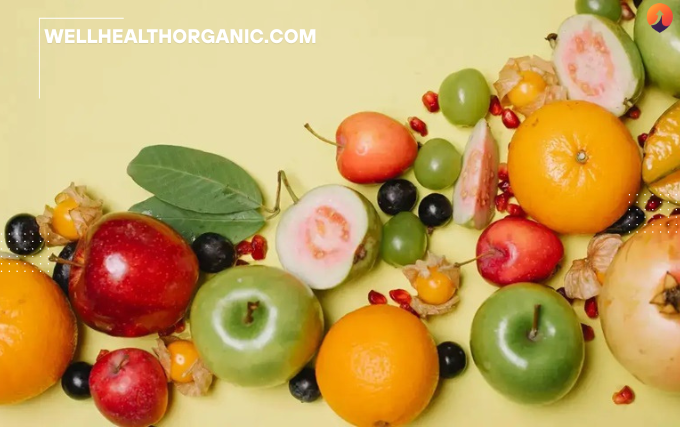
The idea of eating fruit peels might sound unusual to many, but it’s a health trend gaining attention for good reasons. According to Wellhealthorganic.com, the outer skins of fruits—often discarded without a second thought—are rich in nutrients, fiber, and antioxidants. From apples to kiwis, peels serve as protective barriers that also happen to be nutritional powerhouses. This article explores why incorporating fruit peels into your diet is a smart, health-boosting decision.
Nutritional Value Hidden in Fruit Peels
Fruit peels are often more concentrated in vitamins, minerals, and fiber than the fruit’s inner flesh. For instance, apple peels contain a substantial amount of vitamin C, vitamin A, potassium, and antioxidants such as quercetin. Orange peels are loaded with flavonoids and polyphenols that contribute to better heart health and immune function. Banana peels, though less commonly consumed, are high in fiber, vitamin B6, and tryptophan, which supports mood regulation.
According to insights on Wellhealthorganic.com, removing the peel can significantly reduce a fruit’s overall nutrient content. In many cases, over 30% of the nutritional value resides in the outer skin.
Health Benefits of Consuming Fruit Peels
The health benefits of eating fruit peels are extensive and science-backed. Here are some compelling advantages:
Enhanced Digestive Health
Fruit peels are a rich source of dietary fiber, essential for maintaining a healthy digestive system. Fiber helps regulate bowel movements, prevent constipation, and support gut bacteria. For example, apple and pear peels are particularly effective in promoting digestive regularity.
Blood Sugar Regulation
The fiber in peels slows down the absorption of sugar into the bloodstream, helping to prevent insulin spikes and crashes. For people managing diabetes or prediabetes, incorporating peels into meals can be a natural way to control blood glucose levels.
Weight Management
Fiber not only aids digestion but also increases feelings of fullness. Eating peels can reduce the urge to snack between meals, supporting long-term weight management goals. Citrus and kiwi peels, for instance, are high in soluble fiber, which expands in the stomach and curbs appetite.
Immune System Boost
Peels are packed with antioxidants like polyphenols, flavonoids, and vitamin C—all of which help strengthen the immune system. These compounds protect cells from oxidative stress, reducing inflammation and lowering the risk of chronic diseases.
Improved Heart Health
The peels of fruits such as oranges, grapes, and apples contain compounds that lower LDL cholesterol and improve circulation. Flavonoids and phenolic acids in these peels support healthy blood pressure levels and reduce arterial plaque buildup.
Safe Ways to Eat Fruit Peels
Before eating peels, safety is paramount. While fruit peels are healthy, they can also harbor pesticides, waxes, and contaminants. Wellhealthorganic.com emphasizes these precautions:
Choose Organic
Always opt for organic fruits when you plan to eat the peels. Organic farming minimizes the use of synthetic pesticides and fertilizers, making peels safer for consumption.
Wash Thoroughly
Even organic fruits need a good rinse. Use a solution of water and vinegar or a produce-safe wash to scrub the peels clean. A soft brush can help remove hidden dirt or residue.
Peel Preparation
Some peels are tough or bitter. Cooking, blending, or zesting them can improve texture and taste. For example, orange and lemon peels can be grated into dishes or brewed as tea.
Fruit Peels You Should Definitely Eat
Not all peels are created equal. Some are highly beneficial, while others may be too tough or bitter. Here are some of the most nutritious and commonly consumed fruit peels recommended by Wellhealthorganic.com:
Apple Peels
Rich in fiber, vitamin C, and quercetin, apple peels support heart and brain health. They’re best eaten raw after washing.
Orange Peels
Though bitter, orange peels contain flavonoids like hesperidin, which reduce inflammation. Add grated zest to teas, desserts, or marinades.
Banana Peels
High in antioxidants and mood-enhancing compounds, banana peels can be cooked or blended into smoothies. Their tough texture is best softened through boiling or frying.
Pear Peels
Packed with fiber and vitamin K, pear peels are great for digestion and bone health. Like apple peels, they are easily edible when fresh.
Kiwi Peels
While fuzzy, kiwi peels are edible and full of vitamin E and folate. Scrubbing gently or choosing smooth-skinned varieties like golden kiwis can make consumption easier.
Fruit Peels to Avoid or Use Cautiously
Some fruit peels may be too tough, bitter, or potentially harmful. According to Wellhealthorganic.com, it’s best to either avoid or carefully prepare the following:
Avocado Skins
Too thick and tough to digest, avocado skins should not be eaten. They do not contain significant nutritional benefit relative to the fruit’s flesh.
Watermelon Rind
While the white part of the rind is edible and hydrating, the green outer skin can be fibrous and hard to chew. Juicing or pickling the rind is a safer option.
Pineapple Skin
The peel of a pineapple is extremely hard and spiky, making it unsuitable for eating. However, it can be used to make infused water or composted for its nutrients.
Mango Skins
Some people may have allergic reactions to mango skin due to urushiol—a compound also found in poison ivy. If tolerated, mango peel offers antioxidants but should be consumed cautiously.
Creative Ways to Add Peels to Your Diet
Eating peels doesn’t have to be boring. Here are a few practical tips from Wellhealthorganic.com to make them part of your regular meals:
- Smoothies: Add banana, apple, or kiwi peels to smoothies for an instant fiber boost.
- Zests and Garnishes: Grate citrus peels over salads, desserts, or drinks for a zingy flavor.
- Baked Goods: Use finely chopped peels in muffins, breads, or cakes.
- Infused Water: Add orange or lemon peels to water for a naturally flavored drink.
- Chutneys and Pickles: Mango and citrus peels work well in spicy condiments.
Sustainability and Environmental Impact
Eating peels isn’t just good for your body—it’s also good for the planet. Every year, tons of fruit peels are discarded globally, contributing to food waste. Wellhealthorganic.com advocates for sustainable eating practices, encouraging consumers to use as much of the fruit as possible. By eating the peels, you’re reducing food waste, conserving resources, and lowering your carbon footprint.
Conclusion
The movement to eat fruit peels, as promoted by Wellhealthorganic.com, represents a powerful shift in how we perceive food waste and nutrition. These outer layers, once seen as disposable, are emerging as essential components of a healthy, balanced diet. Whether it’s through smoothies, zest, or mindful snacking, incorporating fruit peels into your meals can dramatically enhance your fiber intake, boost immunity, and reduce environmental waste.
Making this small dietary change can yield significant health benefits—naturally, affordably, and sustainably. So next time you reach for a fruit, think twice before peeling it.