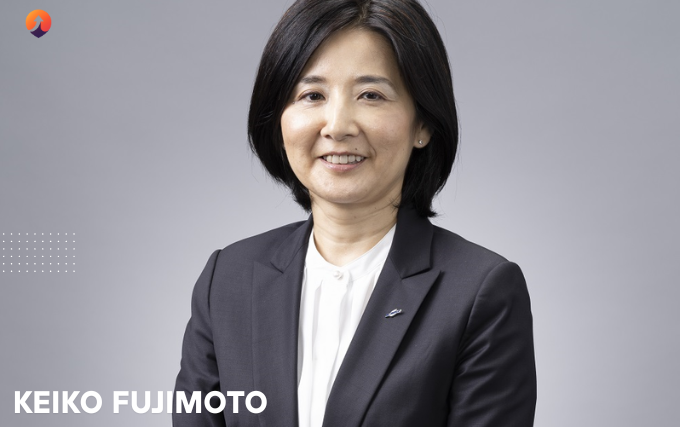
Keiko Fujimoto is a Japanese-born artist, television personality, and designer who has gained recognition for her creative work and her unique journey. While her name is often associated with her personal life, particularly her past marriage to Ramesh “Sunny” Balwani, she has also made independent contributions to the world of art, design, and culture. Her story offers insights into resilience, adaptability, and the ability to balance personal and professional identity.
Early Life and Background
Keiko Fujimoto was born in Japan, a country known for its deep artistic traditions and cultural heritage. Growing up in such an environment may have shaped her artistic sensibilities and appreciation for design. Details about her childhood remain private, but her later works and career reflect a strong influence of Japanese aesthetics, blending minimalism, harmony, and elegance with modern elements.
Her decision to move beyond her native country demonstrates her willingness to explore opportunities outside her comfort zone. This move also reflects a desire to embrace global perspectives while keeping her cultural identity intact.
Education and Academic Journey
Keiko Fujimoto pursued higher education in Japan before eventually moving to the United States, where she furthered her studies in design and art. Her academic background provided her with a solid foundation in visual arts, which later translated into professional work in creative fields.
Education played an important role in her journey, equipping her with the technical skills and conceptual knowledge to express her creativity in meaningful ways. While her professional path has not always been in the spotlight, her educational achievements show her commitment to personal growth and development.
Career in Art and Design
Keiko Fujimoto built her career as an artist and designer, focusing on creating works that combine traditional influences with modern themes. She worked with different mediums, allowing her to expand her creativity and develop a diverse portfolio. Her projects ranged from visual art and product design to broader cultural contributions.
Her design philosophy often reflected the Japanese principle of wabi-sabi, which emphasizes beauty in simplicity and imperfection. By incorporating this perspective into her work, she established a distinct identity that set her apart in a competitive creative industry.
Television and Media Presence
Apart from her career in design, Keiko Fujimoto also appeared on Japanese television. She participated in programs where her artistic skills and cultural insights were highlighted. This exposure helped her gain public recognition, particularly in Japan, and demonstrated her ability to connect with a wider audience.
Television appearances gave her the opportunity to share her creativity beyond galleries or design studios. By engaging with viewers, she managed to inspire others and promote Japanese culture in modern contexts. This aspect of her career added another layer to her professional identity, showing her versatility.
Relationship with Ramesh “Sunny” Balwani
One of the most widely discussed aspects of Keiko Fujimoto’s life is her past relationship with Ramesh “Sunny” Balwani, the former president and COO of Theranos, the Silicon Valley blood-testing company. The two were married in the 1990s before eventually divorcing.
Her marriage to Balwani placed her name in the public eye, especially during the media coverage of Theranos and the legal issues surrounding the company. While she largely remained private during that time, her connection to a high-profile figure inevitably drew attention. Importantly, Keiko Fujimoto maintained her independence and continued focusing on her own work and life after the relationship ended.
Life After Marriage
Following her divorce from Sunny Balwani, Keiko Fujimoto distanced herself from the controversies that later surrounded him and Theranos. She relocated to Japan, where she focused on her art and personal endeavors. This decision illustrates her strength and determination to build her life on her own terms, without being defined solely by her past associations.
Her ability to remain private and independent highlights her resilience. Rather than seeking attention or public validation, she dedicated herself to her work, cultural identity, and personal growth.
Contributions to Japanese Art and Culture
Keiko Fujimoto’s work continues to resonate with Japanese artistic traditions. By embracing cultural heritage while integrating modern ideas, she has contributed to keeping Japanese art relevant in contemporary settings. Her career shows how artists can preserve cultural values while also appealing to new generations.
She has been involved in creative projects that encourage appreciation for Japanese aesthetics. Whether through visual art, design work, or cultural participation, her contributions demonstrate a commitment to promoting the richness of her background.
Personal Identity and Public Perception
Although Keiko Fujimoto has experienced periods of public attention, she is primarily known for maintaining a private and reserved lifestyle. Unlike many individuals linked to high-profile personalities, she did not capitalize on her connections for fame or publicity. Instead, she chose to focus on her professional identity as an artist and designer.
Public perception of Keiko Fujimoto often revolves around curiosity about her past. However, a closer look at her career and contributions reveals a more complete picture: a talented, dedicated individual who values creativity and cultural preservation.
Lessons from Keiko Fujimoto’s Journey
Keiko Fujimoto’s life provides several lessons for those navigating personal and professional challenges. First, her career demonstrates the importance of resilience—choosing to move forward and continue building despite public attention or personal setbacks. Second, her ability to maintain privacy shows that it is possible to separate personal identity from public associations.
She also highlights the value of cultural heritage in shaping creative expression. By drawing from Japanese traditions, she created works that carry meaning and authenticity. This serves as an inspiration for artists and professionals who want to stay true to their roots while embracing modern opportunities.
Current Life and Legacy
Today, Keiko Fujimoto remains a respected figure in art and design circles, particularly in Japan. While she is not constantly in the media spotlight, her work continues to speak for itself. Her legacy is built not only on her creative output but also on her personal strength, independence, and authenticity.
She represents individuals who choose to step away from public controversies and instead focus on meaningful contributions in their own fields. For many, her journey serves as an example of how to navigate complex circumstances with dignity and grace.
Conclusion
Keiko Fujimoto’s story is one of resilience, creativity, and independence. While her name is often linked to her past marriage with Ramesh “Sunny” Balwani, her identity goes far beyond that association. As an artist, designer, and television personality, she has contributed to cultural expression and built a life defined by her own choices.
Her career reflects a commitment to blending tradition with modernity, and her personal journey emphasizes the value of strength, privacy, and authenticity. Keiko Fujimoto remains an inspiring figure for those who wish to carve their own path while honoring their heritage.