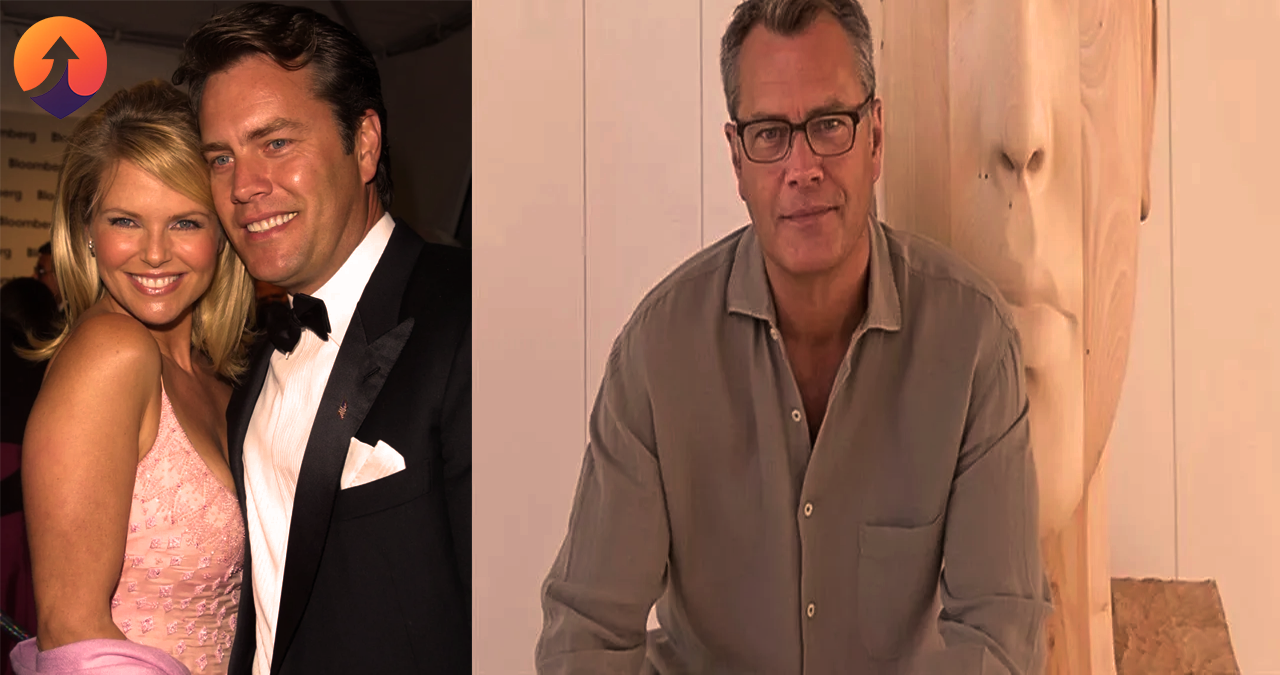
Peter Halsey Cook is a name that has circulated in both professional architecture circles and popular media, often for very different reasons. On one side, he is known as a trained architect with decades of experience in residential and commercial design. On the other, he became widely recognized due to his highly publicized personal life, which placed him under an intense media spotlight that few architects ever experience. This combination of professional credibility and public controversy makes his story layered, complex, and often misunderstood.
Understanding Peter Halsey Cook requires separating reputation from record. His work in architecture reflects years of education, technical training, and hands-on practice, while his personal history reveals how private decisions can shape public narratives in lasting ways. Rather than focusing on a single chapter, his life story spans professional ambition, family life, legal scrutiny, and the long-term effects of public judgment.
Early Life and Educational Foundations
Peter Halsey Cook was born into an environment that valued structure, discipline, and long-term thinking, traits that later aligned naturally with a career in architecture. From an early age, he showed an interest in how spaces were built and how design influenced the way people lived and worked. This curiosity was not casual; it matured into a focused academic path that led him toward formal architectural training.
He pursued higher education in architecture at respected institutions, where he was immersed in design theory, engineering principles, and urban planning concepts. His education emphasized both creativity and precision, a balance that would later define his professional approach. Professors and peers reportedly viewed him as technically capable and detail-oriented, qualities that are essential in an industry where small errors can have significant consequences.
Entering the Architecture Profession
After completing his education, Cook transitioned into the professional world of architecture, a field known for its competitiveness and high standards. Early in his career, he worked with established firms where he gained exposure to a range of projects, from residential developments to commercial spaces. These formative years helped him understand not only design but also client management, regulatory compliance, and project execution.
Over time, he began taking on more responsibility, contributing to projects that required coordination between engineers, contractors, and municipal authorities. His architectural style leaned toward functional elegance, prioritizing usability while maintaining visual appeal. Clients often valued his ability to translate abstract ideas into concrete plans that could be realistically executed within budget and time constraints.
Building a Professional Reputation
As his experience grew, Cook developed a reputation as a capable architect who understood the practical realities of construction. He was not known for radical or experimental designs but rather for dependable, well-planned structures that met client needs effectively. This reliability helped him secure repeat clients and long-term professional relationships.
In architecture, trust is currency, and for many years, Cook maintained that trust within his professional network. His work demonstrated an understanding of materials, spatial flow, and environmental considerations, reflecting the standards expected of a licensed architect. While he never became a celebrity architect in the traditional sense, his career was steady and respectable.
Marriage Into the Public Eye
Cook’s life changed dramatically when he married supermodel and entrepreneur Christie Brinkley. The relationship brought him into a world far removed from architectural studios and construction sites. Suddenly, his name appeared in entertainment news, lifestyle magazines, and celebrity gossip columns. This exposure transformed him from a private professional into a public figure.
Marriage to someone of Brinkley’s fame meant that everyday events became newsworthy. Vacations, family gatherings, and even routine activities attracted attention. For someone accustomed to working behind the scenes, this level of scrutiny was a significant adjustment. The shift highlighted how personal relationships can redefine public identity almost overnight.
Family Life and Parenthood
During the marriage, Cook took on the role of a stepfather as well as a biological father, becoming part of a blended family that included children from previous relationships. Family life, at least outwardly, appeared stable for a time, with public appearances suggesting a cohesive household. Parenting responsibilities added another layer to his personal identity, one that was often discussed in media coverage.
Behind the scenes, however, balancing family life with professional obligations and public attention can be challenging. Architecture demands long hours and intense focus, while parenting requires emotional presence and consistency. Managing these competing demands is difficult under normal circumstances and even more so when every aspect of life is subject to public commentary.
The Divorce and Its Public Fallout
The divorce between Cook and Brinkley became one of the most talked-about celebrity separations of its time. Legal filings, court proceedings, and personal accusations were widely reported, turning a private legal matter into a public spectacle. The intensity of the coverage had lasting consequences for Cook’s public image.
For many observers, this period defined their perception of him, overshadowing decades of professional work. Media narratives often simplify complex situations, and the divorce coverage was no exception. While courts addressed legal issues, public opinion was shaped by headlines rather than full context.
Legal Challenges and Their Impact
Beyond the divorce itself, Cook faced legal challenges that further amplified public scrutiny. Court cases and settlements were reported in detail, contributing to a narrative that often focused on controversy rather than nuance. These events had tangible effects on his reputation, both personally and professionally.
In architecture, credibility is essential. Legal issues, even when unrelated to professional competence, can influence client confidence. For Cook, navigating these challenges required resilience and a clear separation between his personal circumstances and professional responsibilities.
Professional Life After Public Controversy
Following the peak of media attention, Cook returned to a quieter professional life. While the public spotlight faded, the long-term effects of earlier coverage remained. Rebuilding or maintaining a career after such exposure is not easy, especially in a field where trust and discretion are valued.
Despite these obstacles, he continued to work in architecture, focusing on projects that aligned with his experience and expertise. His ability to persist professionally reflects a commitment to his craft, even when external factors complicated his career trajectory.
Architectural Philosophy and Design Approach
Cook’s architectural philosophy centers on functionality, sustainability, and client collaboration. He has consistently emphasized the importance of understanding how people use spaces, believing that good design should enhance daily life rather than merely impress visually.
He once remarked, “Architecture should serve the people who live in it, not the ego of the person who designed it.” This perspective underscores his practical approach and helps explain why his work resonated with clients seeking livable, efficient designs rather than experimental statements.
Notable Projects and Work Scope
While he is not associated with iconic landmark buildings, Cook’s portfolio includes a range of residential and small commercial projects. These designs often focus on comfort, structural integrity, and adaptability to changing needs. His work reflects a deep understanding of building codes, materials, and construction processes.
Below is a table summarizing key aspects of his professional profile:
| Aspect | Details |
|---|---|
| Profession | Licensed Architect |
| Primary Focus | Residential and small commercial design |
| Design Style | Functional, practical, client-focused |
| Education | Formal architectural training |
| Career Span | Multiple decades |
This overview highlights a career built on consistency rather than spectacle.
Media Narratives Versus Reality
Public narratives often reduce individuals to a single storyline, and Cook’s experience illustrates this phenomenon clearly. Media coverage during his divorce years emphasized personal conflict, frequently ignoring his professional identity. This imbalance created a lasting impression that was difficult to correct.
Reality, however, is rarely one-dimensional. While personal decisions and legal issues shaped public perception, they did not erase years of professional work or technical expertise. Understanding this distinction is essential when evaluating his overall life and career.
Personal Reflection and Privacy
In later years, Cook has largely avoided media attention, choosing to live more privately. This decision reflects an understanding of the costs associated with public exposure. Privacy allows for personal growth, reflection, and the opportunity to redefine oneself outside of headlines.
Those who know him personally have described him as reserved and focused, qualities consistent with someone who has experienced the extremes of public scrutiny and prefers stability over attention.
Influence on Public Discussions About Privacy
The intense focus on Cook’s personal life contributed to broader conversations about privacy, especially for individuals connected to celebrities. His experience highlighted how marriage can extend fame by association and how difficult it can be to reclaim anonymity afterward.
These discussions remain relevant today, as media coverage continues to blur the line between public interest and private life. Cook’s story serves as a case study in the long-term consequences of that exposure.
Financial and Professional Stability
Despite setbacks, Cook has maintained financial and professional stability through continued work in architecture. While legal proceedings and settlements can be costly, his ability to remain active in his field suggests careful management and ongoing demand for his skills.
Architecture is a profession built on long-term planning, and this mindset appears to have helped him navigate personal and professional challenges alike.
Relationships and Personal Growth
Following his divorce, Cook’s personal relationships have been kept largely out of the public eye. This shift suggests a deliberate effort to protect his private life and avoid repeating past experiences. Personal growth often comes from reflection, and maintaining privacy can be a crucial part of that process.
As one observer noted, “Some lessons are learned best away from the spotlight.” This sentiment aligns with Cook’s more reserved presence in recent years.
Public Perception Over Time
Public perception is not static; it evolves as new information emerges and old stories fade. While Cook was once a frequent subject of tabloid coverage, today he is less commonly discussed, allowing for a more balanced reassessment of his life.
With distance, it becomes easier to see him not just as a figure in celebrity news but as a professional who experienced extraordinary circumstances.
The Role of Architecture in His Identity
Throughout all phases of his life, architecture has remained a constant. While personal events brought turbulence, his professional identity provided continuity. Designing buildings requires patience, precision, and long-term thinking, qualities that likely helped him endure periods of instability.
This enduring connection to his profession underscores the importance of having a core identity that extends beyond public perception.
Lessons From a Public Life
Cook’s life offers several broader lessons about reputation, privacy, and resilience. It demonstrates how quickly public narratives can form and how challenging they can be to reshape. At the same time, it shows that professional skills and dedication can provide a foundation during turbulent times.
His story is neither a cautionary tale nor a redemption arc; it is a complex human experience shaped by both choices and circumstances.
Cultural and Media Context
The era during which Cook’s personal life was most publicized was marked by aggressive celebrity journalism. Media outlets competed for attention with sensational headlines, often prioritizing speed over nuance. This context influenced how his story was told and remembered.
Understanding this environment helps explain why certain aspects of his life received disproportionate attention compared to others.
Long-Term Legacy
When considering legacy, it is important to look beyond headlines. Cook’s architectural work, while not globally famous, contributed to the built environments of the people who used his designs daily. These tangible outcomes represent a quieter but meaningful form of legacy.
Personal controversies may dominate public memory in the short term, but professional contributions often endure in more subtle ways.
A Balanced Perspective
Evaluating Cook’s life requires balance. Acknowledging mistakes and controversies does not negate professional achievements, just as professional success does not erase personal accountability. Holding both truths simultaneously leads to a more accurate understanding.
This balanced perspective allows for a more human view, recognizing complexity rather than simplifying a life into a single narrative.
Conclusion
Peter Halsey Cook’s story is one of contrasts: professional discipline alongside personal turmoil, privacy interrupted by publicity, and steady work overshadowed by sensational coverage. As an architect, he built a career grounded in functionality and reliability. As a public figure by association, he experienced the intense pressures of media scrutiny.
Over time, his life illustrates how public attention can distort perception and how resilience and professional identity can provide stability. Looking beyond headlines reveals a multifaceted individual whose experiences reflect broader themes of privacy, reputation, and perseverance.
FAQ
Who is Peter Halsey Cook?
Peter Halsey Cook is a trained architect who gained public recognition through his marriage to Christie Brinkley. His professional background includes decades of work in residential and commercial design.
What is Peter Halsey Cook known for professionally?
He is known for his work as an architect, focusing on functional, client-centered designs rather than experimental or landmark architecture.
How did public attention affect Peter Halsey Cook’s life?
Public attention, particularly during his divorce, significantly impacted his reputation and privacy, often overshadowing his professional achievements.
Is Peter Halsey Cook still working as an architect?
Yes, he has continued working in architecture, maintaining a professional presence despite reduced public visibility.
What lessons can be learned from Peter Halsey Cook’s experience?
His experience highlights the importance of privacy, the impact of media narratives, and the value of a strong professional identity during personal challenges.