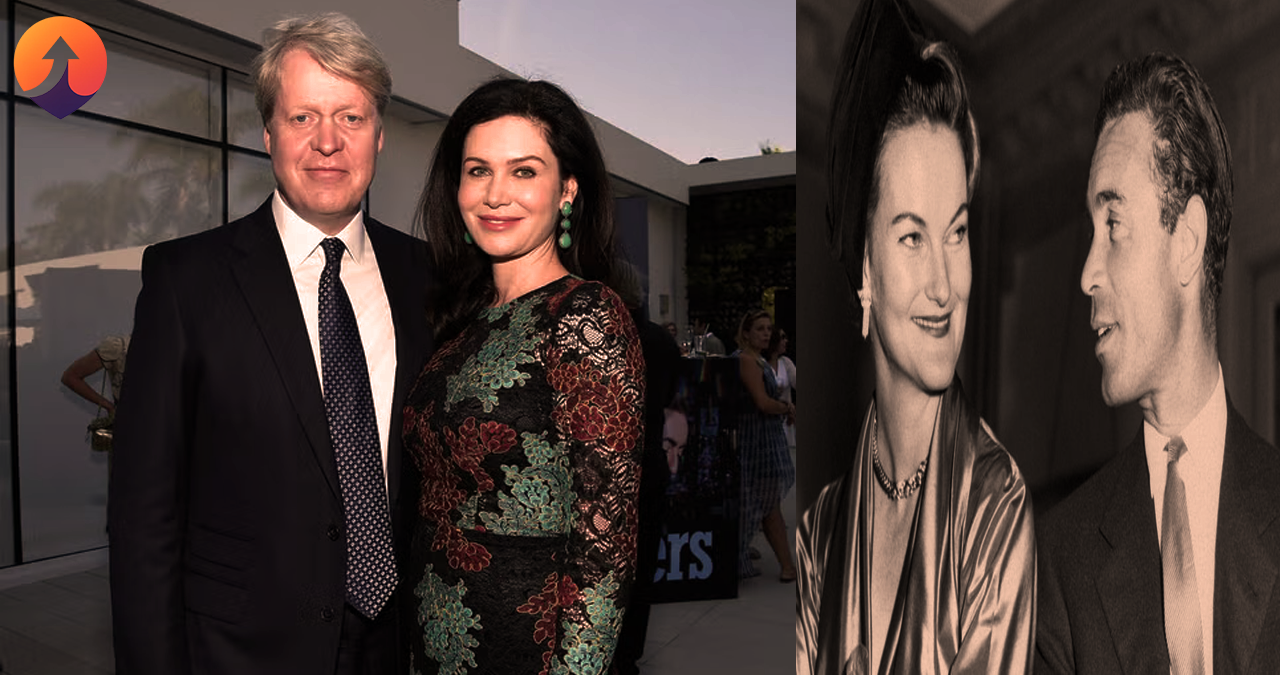
When people hear the name chandi heffner, curiosity usually follows. The connection to vast wealth, high society, and one of America’s most fascinating billionaires instantly draws attention. Yet the true story behind her life goes far beyond inheritance headlines and legal disputes. It is a deeply human narrative shaped by adoption, privilege, philanthropy, and the emotional weight of legacy.
Born Charlene Gail Heffner, she entered the public consciousness after being adopted by tobacco heiress Doris Duke, one of the wealthiest women in the world. But while her association with Duke often defines public perception, her own life has been layered with personal challenges, independence, and a complicated relationship with fame and fortune. To understand her story fully, it is necessary to look at the social, historical, and personal contexts that shaped her world.
This in-depth exploration moves beyond surface-level summaries. It examines her early years, her adoption into extraordinary wealth, the legal battles that followed Duke’s death, her role in philanthropy, and the enduring intrigue surrounding her name. The narrative also reflects on themes of inheritance, family, identity, and the pressures of living under the spotlight.
Early Life and Background
Before the wealth, media scrutiny, and courtrooms, there was a childhood rooted in ordinary American life. Chandi Heffner was born into circumstances far removed from the opulence she would later encounter. Her upbringing was not surrounded by palatial estates or trust funds but by the everyday realities of middle-class America.
Her early life was marked by emotional challenges and a search for belonging. Those formative experiences shaped her resilience and perspective. Long before her association with Doris Duke, she had developed an independent streak that would later prove crucial when navigating the complexities of inheritance and public scrutiny.
The transition from a modest upbringing to the world of billionaires was not simply a shift in financial status. It required navigating entirely different social circles, expectations, and responsibilities. The psychological adjustment alone was significant. It is important to remember that behind the headlines stood a woman adapting to extraordinary circumstances with limited preparation for such a transformation.
The Influence of Doris Duke
Doris Duke was known as “the richest girl in the world” after inheriting her father’s fortune from the American Tobacco Company. Her life was a blend of glamour, philanthropy, controversy, and eccentricity. Estates in Hawaii, Rhode Island, and New Jersey formed the backdrop of her existence, and her wealth placed her among the most influential women of the twentieth century.
Duke’s decision to adopt Chandi as an adult was unconventional and raised eyebrows in elite circles. Adult adoption, though legally valid, often sparks speculation. In this case, it cemented a legal relationship that would later become central to one of the most publicized inheritance disputes in modern American history.
The bond between Duke and her adopted daughter appeared complex. Some observers described it as affectionate and genuine. Others suggested it was layered with dependency, control, and emotional tension. Like many relationships shaped by power and wealth, it defied simple categorization.
Duke was deeply invested in philanthropy, art, and cultural preservation. Through her foundation work, she aimed to channel immense wealth into meaningful causes. Her connection with Chandi Heffner unfolded within this broader mission of stewardship and legacy planning.
Life Inside a Billionaire’s World
Entering Doris Duke’s orbit meant exposure to private jets, sprawling estates, and high-profile social circles. It also meant entering a tightly managed environment where trust was rare and financial decisions were monumental.
Living within that world demanded discretion. Media interest was constant, particularly as Duke aged. Questions about succession and estate planning lingered in the background. Chandi Heffner’s presence in that environment placed her at the center of private conversations about legacy.
Yet luxury does not erase human vulnerability. Being associated with enormous wealth can intensify isolation. The psychological pressure of knowing that one’s name is linked to billions of dollars can alter relationships and social dynamics. Friends may question motives. Outsiders may speculate endlessly.
Within that world, Heffner navigated expectations of loyalty, companionship, and inheritance. Her life became intertwined with the management of estates, philanthropic foundations, and legal advisors whose responsibilities extended far beyond personal relationships.
The Adoption and Its Implications
Adult adoption is uncommon but legally significant. When Doris Duke formally adopted Chandi Heffner, she granted her the legal status of a daughter. That designation carried potential inheritance implications, particularly given Duke’s immense fortune.
The adoption raised debates among Duke’s advisors and later among legal experts. Was the adoption motivated by affection, companionship, estate planning strategy, or something more complex? The public never received a simple answer.
In wealthy families, adoption can serve multiple purposes. It may formalize an existing emotional bond or solidify succession planning. In this case, the adoption would later become central to litigation, especially when Duke’s will did not align neatly with expectations.
The emotional dimensions of such a decision cannot be overlooked. Adoption, regardless of age, carries symbolic weight. It represents belonging, recognition, and permanence. For Chandi Heffner, that legal act transformed her life trajectory.
Estate Disputes and Legal Battles
When Doris Duke passed away in 1993, her estate became the subject of intense legal scrutiny. Questions about the validity of her final will, the management of her fortune, and the rights of her adopted daughter surfaced quickly.
The dispute centered on Duke’s butler and estate executor, Bernard Lafferty, who was named a significant beneficiary. Allegations of undue influence emerged. Legal teams examined Duke’s mental capacity at the time the will was drafted.
Chandi Heffner contested the will, arguing that it did not reflect Duke’s true intentions. The legal proceedings were lengthy, highly publicized, and emotionally charged. Courtrooms became arenas where family, loyalty, and money collided.
Eventually, settlements were reached, but the public spectacle left lasting impressions. The case underscored the vulnerability of immense wealth in the absence of clear, uncontested estate planning. It also highlighted the emotional toll of fighting for recognition in a courtroom setting.
Financial Overview and Estate Context
The scale of Doris Duke’s wealth at the time of her death remains staggering. Estimates placed her estate at over $1 billion, though exact figures varied depending on asset valuations, property holdings, and philanthropic commitments.
Below is a simplified overview of the estate’s structure at the time of her passing:
| Category | Estimated Value | Notes |
|---|---|---|
| Real Estate Holdings | Hundreds of millions | Included estates in Hawaii, Rhode Island, and New Jersey |
| Investments & Trusts | Significant portion | Diversified portfolios and private holdings |
| Art & Collectibles | Extensive | Rare artworks, furnishings, and cultural artifacts |
| Philanthropic Foundations | Substantial endowments | Designed to continue Duke’s charitable legacy |
This table illustrates the complexity of the estate. Managing such assets requires teams of attorneys, financial planners, and trustees. For Chandi Heffner, navigating this environment meant engaging deeply with legal and financial systems few individuals ever encounter.
Public Perception and Media Narratives
Media portrayal often simplifies nuanced lives. In coverage of the inheritance dispute, narratives ranged from sympathetic to skeptical. Headlines emphasized drama, wealth, and courtroom confrontations.
Yet those narratives rarely captured the emotional dimensions involved. Estate disputes are not merely financial battles; they are deeply personal conflicts involving identity, recognition, and loyalty. Public scrutiny can distort private grief.
Over time, the intense spotlight dimmed. Heffner retreated from media visibility, maintaining a relatively private life compared to the sensational coverage of the 1990s. This withdrawal reflects a broader truth about individuals linked to high-profile fortunes: privacy becomes both rare and precious.
Philanthropy and Stewardship
Philanthropy formed a cornerstone of Doris Duke’s legacy. The Doris Duke Charitable Foundation continues to fund initiatives in the arts, environmental conservation, medical research, and historic preservation.
Chandi Heffner’s relationship with that philanthropic network has been shaped by both legal boundaries and personal commitment. While not always positioned as the central public figure of the foundation, her association with Duke inevitably connects her to that charitable mission.
The concept of stewardship becomes important here. Inherited wealth often carries moral expectations. Society frequently expects heirs to demonstrate responsibility, generosity, and discretion. Whether visible or behind the scenes, those expectations influence behavior.
Philanthropy also serves as a bridge between wealth and public benefit. It channels private fortune into societal improvement, transforming legacy into tangible impact.
Psychological Dimensions of Inheritance
The emotional weight of sudden wealth is rarely discussed openly. Inheritance can create complex psychological challenges. Guilt, isolation, and identity confusion sometimes accompany large fortunes.
For someone like Chandi Heffner, whose life shifted dramatically through adoption, those psychological layers were likely intensified. Navigating relationships when money is an unspoken factor requires constant awareness.
Research in behavioral economics suggests that wealth can alter social trust dynamics. Individuals connected to significant fortunes often face skepticism regarding motives, both their own and others’. Maintaining authentic connections becomes an intentional effort.
These psychological dimensions are critical to understanding the human story behind the headlines.
Cultural Fascination with Heiresses
American culture has long been fascinated by heiresses. From Gilded Age fortunes to modern celebrity wealth, stories of inheritance captivate audiences. They combine glamour, power, and vulnerability in a single narrative.
The story of chandi heffner fits into this broader cultural pattern. The public tends to frame heiresses within stereotypes: privileged beneficiary, misunderstood daughter, strategic litigant. Real life is more layered.
Cultural fascination often obscures complexity. It reduces multifaceted lives to simplified story arcs. Understanding this dynamic helps contextualize media narratives surrounding her name.
Privacy, Independence, and Personal Identity
In later years, Chandi Heffner has maintained a relatively low public profile. Unlike some heirs who embrace celebrity culture, she has largely avoided consistent media engagement.
This approach suggests a prioritization of privacy over public recognition. After years of intense legal and journalistic attention, stepping away from the spotlight may have offered emotional relief.
Identity formation under such circumstances is a gradual process. Balancing gratitude, grief, independence, and legacy requires reflection and resilience. The ability to carve out a personal life beyond inheritance headlines is an achievement in itself.
Lessons from a High-Profile Estate Case
The legal saga surrounding Doris Duke’s estate offers broader lessons about succession planning, fiduciary responsibility, and family dynamics. Clear documentation, transparent communication, and trusted advisors are critical when significant assets are involved.
The case also demonstrates the emotional consequences of ambiguous estate planning. Even minor uncertainties can escalate into prolonged litigation when billions of dollars are at stake.
For observers, the story serves as a reminder that wealth amplifies existing tensions. Legal systems provide structure, but they cannot resolve emotional complexities.
The Enduring Intrigue
Decades after the original legal disputes, interest in chandi heffner persists. Online searches reflect ongoing curiosity about her life, wealth, and relationship with Doris Duke.
Part of this intrigue stems from the rarity of such vast fortunes. Another part arises from the human elements of adoption, loyalty, and contested wills. The combination creates a narrative that continues to resonate.
Her story remains relevant because it touches universal themes: belonging, recognition, inheritance, and the search for identity within powerful institutions.
Broader Reflections on Wealth and Responsibility
Wealth in America carries both opportunity and scrutiny. High-profile estates often become case studies in legal and ethical debate. They highlight the importance of governance structures and ethical stewardship.
The legacy of Doris Duke’s philanthropy demonstrates how wealth can be directed toward cultural preservation and social good. That framework influences how observers evaluate those connected to her fortune.
Responsibility extends beyond legal compliance. It includes maintaining trust, honoring intent, and contributing to broader society. Those expectations shape public discourse around individuals linked to large estates.
Conclusion
The life of chandi heffner cannot be reduced to headlines about inheritance disputes or billionaire connections. It is a story shaped by adoption, loyalty, legal battles, privacy, and personal resilience. Her association with Doris Duke placed her at the center of one of the most dramatic estate cases in American history, yet her identity extends beyond that moment.
Understanding her journey requires acknowledging both privilege and complexity. Wealth can transform circumstances overnight, but it does not erase emotional realities. The intersection of family, money, and legacy creates narratives that are deeply human, even when measured in billions.
In the end, her story reflects broader truths about inheritance, identity, and the enduring fascination with lives lived at the crossroads of fortune and family.
Frequently Asked Questions
Who is Chandi Heffner?
Chandi Heffner is the adopted daughter of American tobacco heiress Doris Duke. Her name became widely known after Duke’s death and the subsequent legal disputes surrounding the billionaire’s estate.
How did Chandi Heffner become connected to Doris Duke?
She was adopted as an adult by Doris Duke, establishing a legal parent-child relationship. This adoption significantly influenced discussions about inheritance and estate planning after Duke’s passing.
Was Chandi Heffner involved in a legal battle over inheritance?
Yes, following Doris Duke’s death, she contested aspects of the will. The case attracted national attention due to the size of the estate and allegations involving estate management.
What is Chandi Heffner known for today?
Today, Chandi Heffner is largely known for her association with Doris Duke and the historic estate dispute. She has maintained a relatively private life in recent years.
What can be learned from the Chandi Heffner estate case?
The case highlights the importance of clear estate planning, transparent communication, and trusted fiduciaries. It also underscores the emotional complexity that can accompany large inheritances.