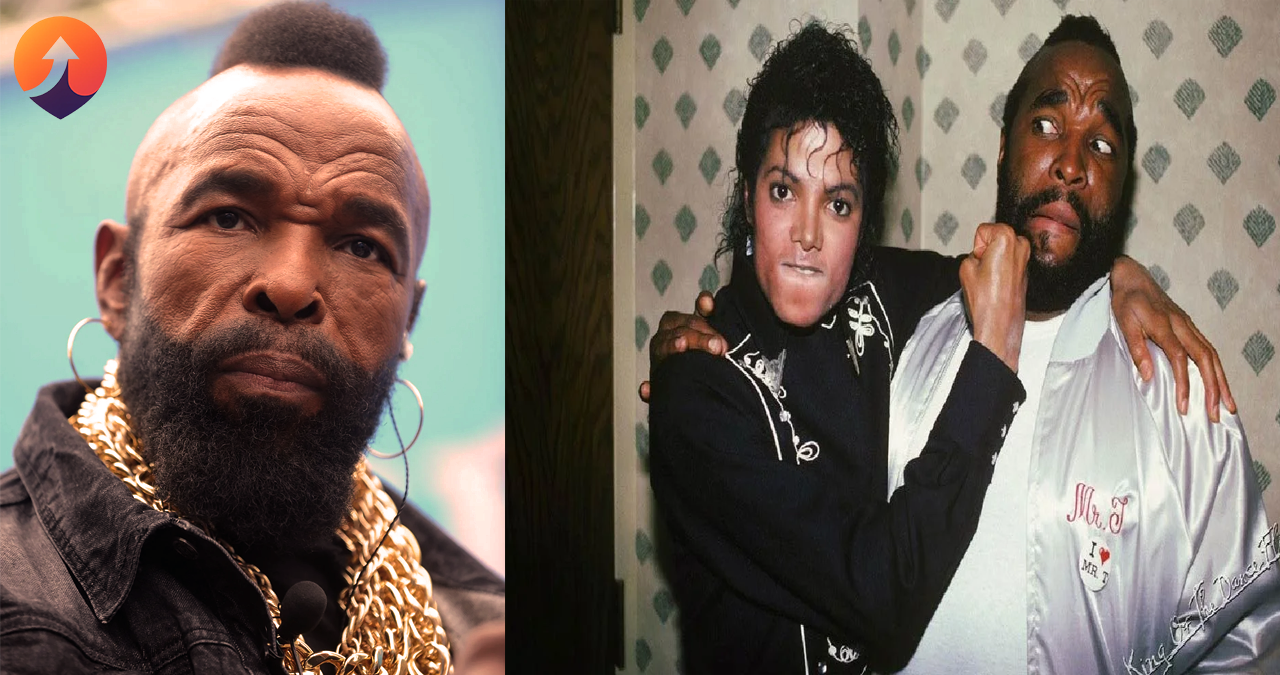
The name Laurence Tureaud Jr. naturally sparks curiosity. It carries weight, history, and cultural recognition because of its connection to one of the most iconic personalities in American entertainment history. While many people instantly associate the surname Tureaud with strength, charisma, and unforgettable screen presence, there is growing interest in the next generation and what that legacy truly means in a modern context.
In today’s digital era, where public figures are constantly analyzed and discussed, the attention around Laurence Tureaud Jr. reflects something deeper than simple celebrity curiosity. It reflects fascination with family heritage, generational identity, and how legacy evolves over time. Whether someone is researching out of admiration, cultural interest, or simple curiosity, understanding the background connected to this name provides valuable insight into celebrity lineage, media attention, and personal identity in the spotlight.
The Meaning Behind the Tureaud Name
The surname Tureaud became globally recognized through the legendary career of Mr. T, born Laurence Tureaud. Rising to fame in the 1980s, he built a reputation as a larger-than-life figure known for his gold chains, mohawk hairstyle, and unmistakable voice. His roles in blockbuster films and hit television shows shaped pop culture in ways that still resonate decades later.
For many, the Tureaud name symbolizes resilience, confidence, and authenticity. It represents a man who transformed personal hardship into global fame. That cultural power inevitably extends to the next generation. When people search for information about family members connected to a well-known figure, they are often seeking to understand how identity intersects with heritage. In this context, the interest surrounding Laurence Tureaud Jr. is tied directly to the enduring influence of his father’s legacy.
Beyond celebrity, the name itself carries historical and cultural depth. It reflects African-American heritage and the importance of family continuity. In many communities, passing down a name is an act of honor and pride, signifying continuity, strength, and shared responsibility. That cultural dimension adds emotional significance to the public’s curiosity.
Family Background and Early Influences
Growing up in a family already recognized by millions is not an ordinary experience. The household environment shaped by a globally known figure carries both advantages and pressures. Children of public personalities often navigate a delicate balance between privacy and recognition. Their upbringing may include exposure to media, public events, and a lifestyle that differs significantly from the average household.
At the same time, celebrity parents frequently work hard to provide structure and grounding. Public interviews over the years have portrayed Mr. T as deeply family-oriented, protective, and committed to strong values. Faith, discipline, and humility were themes he often emphasized. Those principles likely influenced the atmosphere in which his children were raised, shaping character more than fame ever could.
Family influence extends beyond financial security or public attention. It includes moral guidance, expectations, and the responsibility of carrying a recognizable surname. For someone connected to such a powerful cultural icon, early life lessons often center on identity, respect, and maintaining personal integrity despite outside perceptions.
Living in the Shadow of an Icon
The entertainment industry is filled with stories of second-generation personalities who struggle under the weight of comparison. When a parent becomes a global symbol, it can create an invisible benchmark. Audiences sometimes expect the same charisma, career path, or public visibility from their children. Yet identity is never inherited in a simple way.
Being associated with a well-known father means that public interest can exist even without direct participation in entertainment. This dynamic often leads to speculation, online searches, and media curiosity. However, privacy remains a powerful choice. Not every child of a celebrity seeks the spotlight, and many choose quieter professional or personal paths.
There is strength in defining individuality separate from fame. Building one’s own identity while respecting family heritage requires confidence and emotional maturity. It involves understanding legacy without being confined by it. That balance is especially relevant when discussing figures who are recognized primarily because of their family name.
The Cultural Impact of Mr. T’s Legacy
To fully understand the attention surrounding the next generation, it is important to revisit the cultural impact of Mr. T. His breakout role in Rocky III introduced audiences to a fierce, unforgettable character. Soon after, his portrayal of B.A. Baracus in The A-Team cemented his status as a pop culture icon.
He was more than an actor. He became a motivational symbol, known for phrases like “I pity the fool,” which entered everyday language. His distinctive style influenced fashion trends, and his presence transcended entertainment into advertising, wrestling, and public speaking. His appearance in WrestleMania I connected him to the professional wrestling world, expanding his fan base even further.
The cultural footprint left by such achievements does not fade easily. It continues to generate interest in anything related to the Tureaud family. Legacy, especially one tied to strong public imagery, has long-term influence on how the next generation is perceived.
Privacy in the Age of Digital Curiosity
The internet has fundamentally changed how people access information about public figures and their families. Search engines amplify curiosity, and even limited public data can generate widespread speculation. In previous decades, children of celebrities could remain relatively anonymous if they chose. Today, that is far more challenging.
Respecting privacy while acknowledging public interest is an ongoing conversation in media ethics. Not every individual connected to fame seeks public recognition. Some prefer careers outside entertainment, valuing normalcy and discretion. The curiosity around Laurence Tureaud Jr. illustrates how digital culture blurs the line between public and private identity.
Maintaining boundaries in such an environment requires intentional effort. Families often set clear guidelines about media appearances, interviews, and social exposure. These decisions reflect personal values and priorities rather than public demand.
Understanding Generational Legacy
Legacy is not simply about fame; it is about values, lessons, and example. In many cases, the most powerful inheritance is not financial or public recognition, but character. A strong parental figure can influence work ethic, resilience, and moral grounding.
Generational legacy also evolves with time. Each generation interprets inherited values in its own way. Modern societal expectations differ significantly from those of the 1980s. Technology, social media, and cultural shifts create new opportunities and challenges. The children of past icons grow up in a very different world.
This evolution allows space for individuality. Even when a name carries significant recognition, personal paths can vary widely. Some embrace creative industries, others pursue academic or professional careers in entirely different sectors. Legacy provides foundation, but not limitation.
Public Curiosity and Media Narratives
Media narratives often focus on continuity. Headlines highlight “the son of” or “the daughter of” as shorthand for recognition. While this framing generates attention, it can sometimes overshadow individual identity. Responsible storytelling requires nuance and respect for personal boundaries.
Public curiosity about celebrity families often reflects admiration rather than intrusion. Fans who grew up watching iconic films and television shows develop emotional connections. That connection extends naturally to interest in family life and next generations.
However, the distinction between admiration and entitlement is important. Access to information does not equal ownership of personal stories. Maintaining that balance preserves dignity and authenticity.
Key Facts and Contextual Overview
The table below provides contextual information related to the Tureaud legacy and its broader cultural background.
| Category | Information |
|---|---|
| Family Name | Tureaud |
| Most Recognized Figure | Mr. T |
| Birth Name of Mr. T | Laurence Tureaud |
| Major Film Appearance | Rocky III |
| Major TV Appearance | The A-Team |
| Cultural Influence | 1980s pop culture icon |
| Public Interest Focus | Celebrity family legacy |
This overview highlights why the surname alone generates consistent interest. It reflects decades of cultural visibility and public recognition.
The Role of Strong Family Values
In interviews throughout his career, Mr. T frequently emphasized faith, discipline, and respect. He once stated, “Success means nothing if you don’t have integrity.” Such statements reveal a philosophy centered on character over celebrity.
Strong family values can shape how the next generation navigates public attention. Children raised in households where humility and discipline are prioritized often develop resilience. That resilience becomes especially important when managing external expectations.
A grounded upbringing can act as protection against the distortions of fame. It provides internal stability regardless of external recognition.
Individual Identity Beyond Headlines
Every individual deserves recognition for personal achievements rather than inherited fame alone. Identity is built through education, career choices, relationships, and values. Public interest may begin with a famous surname, but personal substance defines long-term reputation.
Choosing privacy can itself be a powerful statement. It signals comfort with personal identity independent of public validation. In a culture driven by visibility and social media presence, discretion stands out.
The story connected to Laurence Tureaud Jr. reflects broader themes about individuality, legacy, and respect for personal boundaries.
Cultural Representation and Symbolism
Mr. T’s rise to fame represented more than entertainment success. It symbolized resilience in the face of adversity. Growing up in Chicago and overcoming hardship, he became a representation of determination and self-belief.
That symbolism extends symbolically to family narrative. The idea of strength, pride, and perseverance becomes part of the broader story attached to the surname. Cultural representation matters, especially when a figure has inspired millions across generations.
The continuation of a name often carries emotional significance for fans who admire the original icon. It represents continuity of inspiration.
The Influence of 1980s Pop Culture
The 1980s produced unforgettable personalities who shaped television and film history. Mr. T stood alongside major Hollywood figures during that era, carving out a distinct niche defined by charisma and intensity.
Pop culture from that period remains influential today through reruns, streaming platforms, and nostalgic appreciation. Younger generations continue discovering classic shows and films, sustaining interest in the personalities involved.
As long as that cultural era remains celebrated, related family names will continue attracting attention.
Navigating Public Perception
Public perception can be complex. Fame often creates simplified narratives, while real lives remain nuanced and layered. Maintaining authenticity requires confidence and clarity about personal identity.
When discussing individuals connected to celebrity lineage, it is important to separate documented fact from assumption. Respectful analysis acknowledges known information while avoiding speculation.
Clarity builds credibility. Responsible writing prioritizes verified context over rumor, ensuring that discussion remains constructive and informative.
Quotes Reflecting Legacy and Character
Mr. T once remarked, “Treat your family like friends and your friends like family.” That perspective highlights the deep importance he placed on close relationships. It reflects a philosophy centered on loyalty and compassion.
Another memorable quote, “Discipline is the bridge between goals and accomplishment,” emphasizes the role of consistency and effort. Such statements provide insight into the value system likely emphasized within his household.
These principles help explain the foundation upon which any family legacy is built.
The Continuing Interest in Laurence Tureaud Jr.
Search trends and public curiosity indicate sustained interest in the next generation connected to the Tureaud name. This attention does not necessarily equate to public exposure, but it does demonstrate the lasting cultural footprint of the family.
The fascination surrounding Laurence Tureaud Jr. reflects a broader societal interest in how legacy unfolds over time. People are naturally curious about continuity, evolution, and generational impact.
As long as the original icon’s work remains culturally relevant, related family members will remain topics of interest.
Conclusion
The story connected to Laurence Tureaud Jr. is rooted in legacy, identity, and cultural history. While much of the public’s interest stems from the enduring fame of Mr. T, the broader narrative extends beyond celebrity. It touches on family values, generational continuity, and the balance between privacy and recognition.
Understanding this context provides depth to what might otherwise appear as simple curiosity. Legacy is not merely about fame; it is about influence, character, and the principles passed from one generation to the next. In that sense, the name represents more than entertainment history. It represents continuity of identity shaped by resilience and discipline.
Respect for individuality remains essential. Each person connected to a famous surname deserves space to define their own path. The enduring interest in Laurence Tureaud Jr. ultimately reflects admiration for a legacy that continues to resonate across generations.
FAQs
Who is Laurence Tureaud Jr.?
Laurence Tureaud Jr. is known primarily through his connection to the iconic entertainer Mr. T, whose birth name is Laurence Tureaud. Public curiosity centers on family legacy and generational continuity rather than a highly public career of his own.
Why is there public interest in Laurence Tureaud Jr.?
Interest in Laurence Tureaud Jr. stems from the lasting cultural impact of Mr. T. Fans of classic 1980s films and television shows remain curious about the next generation connected to that legacy.
Is Laurence Tureaud Jr. involved in entertainment?
There is limited verified public information about entertainment involvement. Much of the interest relates to family background rather than documented media appearances.
What makes the Tureaud name significant?
The Tureaud name gained international recognition through Mr. T’s roles in Rocky III and The A-Team, along with his influence in wrestling and motivational speaking. That cultural footprint continues to generate interest today.
How does legacy influence public perception of Laurence Tureaud Jr.?
Legacy shapes perception by creating expectations rooted in past achievements. However, individual identity remains separate from inherited fame, allowing Laurence Tureaud Jr. to define his own path independent of public assumptions.